Three profiles banned in one morning. The fingerprint was clean. The cookies were fresh. The warm up routine followed the playbook. But the proxy gave it all away. A shared datacenter IP that 47 other users were already running through GoLogin and Dolphin Anty at the same time. Platforms like Facebook, Amazon, and TikTok caught the overlap instantly.
That is the reality of running multi-account setups with weak proxies for antidetect browsers. The browser handles the fingerprint. The proxy handles the identity. If the IP is recycled, blacklisted, or mismatched to the fingerprint's geolocation, no amount of canvas spoofing will save the profile. According to a 2026 Multilogin report, proxy quality is the leading cause of antidetect profile detection, ahead of fingerprint leaks and cookie mismatches.
The antidetect browser market itself has grown sharply. AdsPower now starts at $5.40/month, GoLogin offers 3 permanent free profiles, and Dolphin Anty gives 5 free profiles for life. The barrier to entry is lower than ever. But the proxy layer remains where setups succeed or fail. These 9 providers deliver the IP quality, session stability, and protocol support that serious multi-account operators need in 2026.
How Proxies for Antidetect Browsers Actually Work
Proxies for antidetect browsers serve a specific and demanding purpose. They assign a unique, clean IP address to each browser profile so that platforms cannot link your accounts through shared network data. The antidetect browser handles the software fingerprint (canvas hash, WebGL renderer, screen resolution, timezone, language). The proxy handles the network fingerprint (IP address, geolocation, ASN, WebRTC leak prevention). Both layers must match perfectly.
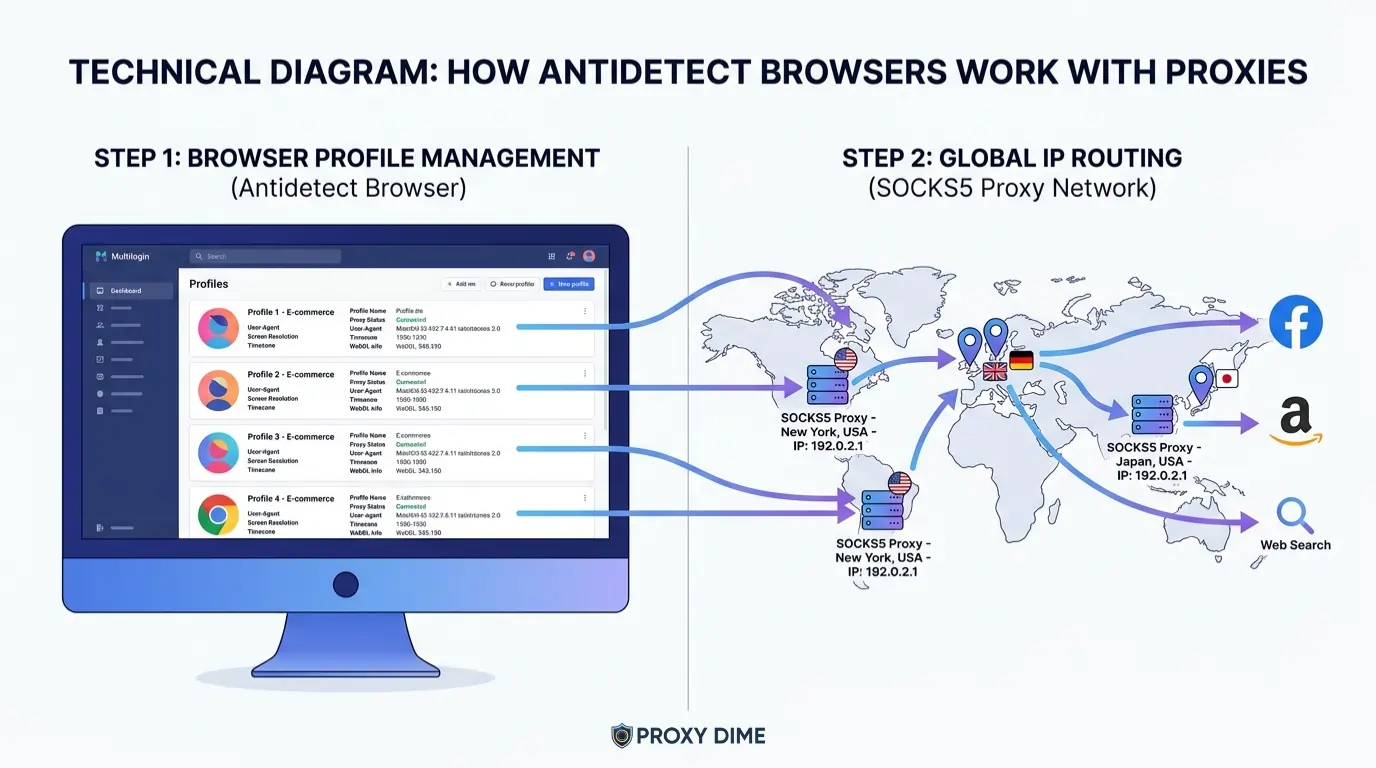
When you create a profile in Multilogin, GoLogin, Dolphin Anty, or AdsPower, the browser generates a synthetic identity. But if that identity claims to be in Dallas, Texas while the proxy IP resolves to Frankfurt, Germany, the mismatch triggers an immediate flag. Facebook's integrity systems and Amazon's seller verification algorithms cross reference IP geolocation against browser timezone and language settings in real time.
SOCKS5 proxies are the gold standard for antidetect browser setups. Unlike HTTP proxies, SOCKS5 handles UDP traffic, which matters for WebRTC. If your proxy only supports HTTP, antidetect browsers cannot fully mask WebRTC IP leaks, leaving a critical fingerprint gap. Residential and ISP proxies carry the highest trust because they originate from real household connections, making them indistinguishable from regular users to detection systems.
Prioritise providers offering sticky sessions of 10 minutes or longer to maintain session consistency during account warm up.
Proxies for Antidetect Browsers Snapshot
| Proxy Provider | Antidetect Strength | Ideal User |
|---|---|---|
| Oxylabs | 177M+ SOCKS5 pool | Agency profile manager |
| Bright Data | Dolphin Anty integration | Enterprise multi-accounter |
| Decodo | Built in X-Browser | Solo account farmer |
| Thordata | Unlimited bandwidth plan | High volume eCom seller |
| Webshare | Free SOCKS5 forever | Budget profile tester |
| Proxy-Seller | Dedicated static IPs | Compliance focused marketer |
| ZenRows | Managed fingerprint rotation | Python automation dev |
| IPRoyal | Non-expiring traffic | Affiliate team operator |
| NodeMaven | Clean IP scoring | Account survival specialist |
1. Oxylabs
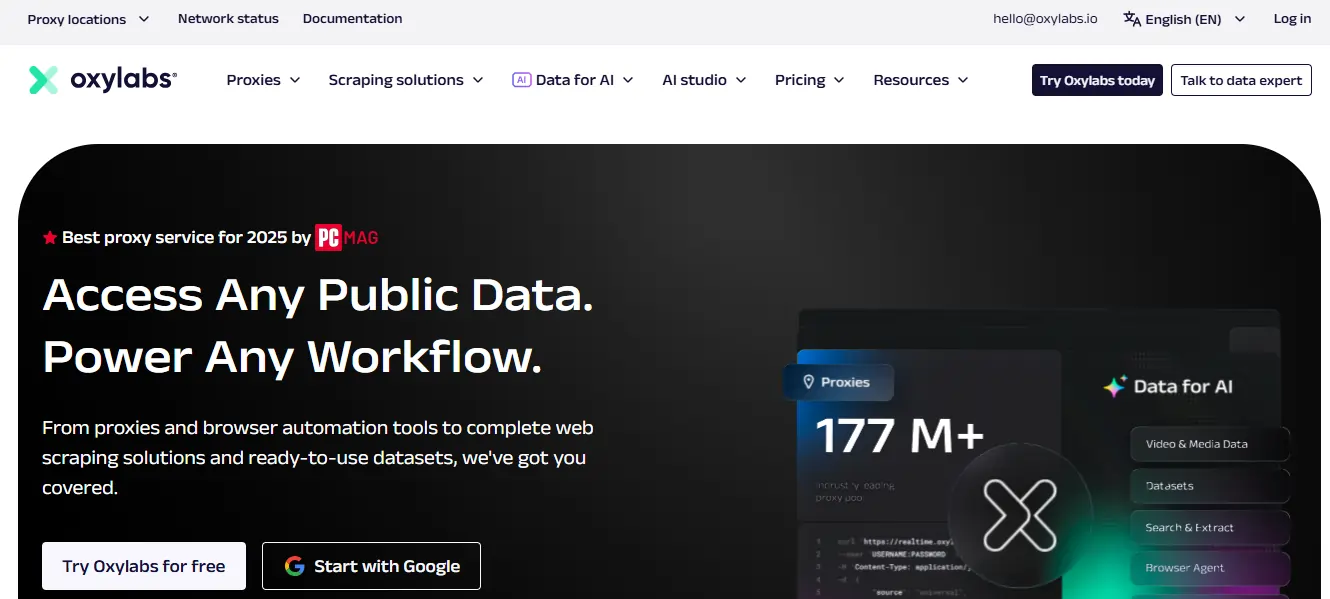
Oxylabs provides antidetect browser operators with something most providers struggle to deliver at scale. A verified pool of 177 million residential IPs with full SOCKS5 support across all of them. That matters because SOCKS5 is the protocol antidetect browsers like Octo Browser, Multilogin, and DICloak need to prevent UDP based WebRTC leaks.
Oxylabs publishes step by step integration guides for Octo Browser, DICloak, and other popular antidetect tools, complete with username formatting for city level targeting and sticky session configuration. The sticky sessions hold for up to 30 minutes on residential IPs, which is enough for warm up routines and account activity sessions. For agencies managing 50+ profiles across multiple platforms, the pool depth ensures no two profiles accidentally share an IP.
Oxylabs Pros
Oxylabs Cons
⚡ Epic 50% Oxylabs Proxy Promo

50% savings on Oxylabs' powerful proxy networks and datasets. Scale effortlessly for business intelligence. Apply code OXYLABS50 today—offer won't last!
Why Oxylabs for Proxies for Antidetect Browsers: Postal code and ASN level targeting lets you match the proxy geolocation to your browser profile's timezone and language down to the neighbourhood. When Facebook or Amazon cross reference your IP against your profile fingerprint, that granular match is what keeps the profile alive.
2. Bright Data
Bright Data maintains official integration guides for Dolphin Anty, one of the most popular antidetect browsers for affiliate marketing and multi-accounting. The setup walks users through connecting Bright Data's 150 million residential IPs to individual Dolphin Anty profiles with sticky and rotating session options.
What gives Bright Data an edge for antidetect use is the Web Unlocker feature, which automatically selects the optimal proxy type and browser fingerprint combination for each target domain.
For operators managing accounts on Facebook, Amazon, and TikTok simultaneously, that automatic adaptation means fewer manual proxy swaps when platforms update their detection algorithms. The 99.95% published success rate holds under the sustained, low volume traffic patterns that multi-account warm ups require.
Bright Data Pros
Bright Data Cons
150M+ IPs with official antidetect guides
Why Bright Data for Proxies for Antidetect Browsers: The Web Unlocker is a genuine differentiator. When Amazon updates its seller verification algorithms (which happens quarterly), the Unlocker adjusts proxy selection and session behaviour automatically. That saves operators the manual troubleshooting cycle of swapping IPs and testing until profiles stop getting flagged.
3. Decodo
Decodo is the only provider on this list that ships its own antidetect browser. The X-Browser comes free with any Decodo proxy plan and creates unique browser fingerprints per profile while natively integrating with Decodo's residential, ISP, mobile, and datacenter proxies.
For operators who do not want to pay separately for Multilogin ($99+/month) or Octo Browser ($29+/month), this bundled approach removes a significant cost layer. Beyond the X-Browser, Decodo publishes integration guides for over 50 third party tools including XLogin, GoLogin, and AdsPower.
The 125 million IP pool delivers a 99.86% success rate with sub-0.6 second response times, which keeps profile sessions snappy during warm up routines.
Decodo Pros
Decodo Cons
Antidetect browser included, no extra cost
Why Decodo for Proxies for Antidetect Browsers: The X-Browser bundle is a genuine cost saver. An operator running 10 profiles on Multilogin ($99/month) plus separate proxies pays significantly more than running 10 profiles on X-Browser (free) with Decodo residential proxies ($2/GB). For small teams and solo operators, that math matters.
4. Thordata
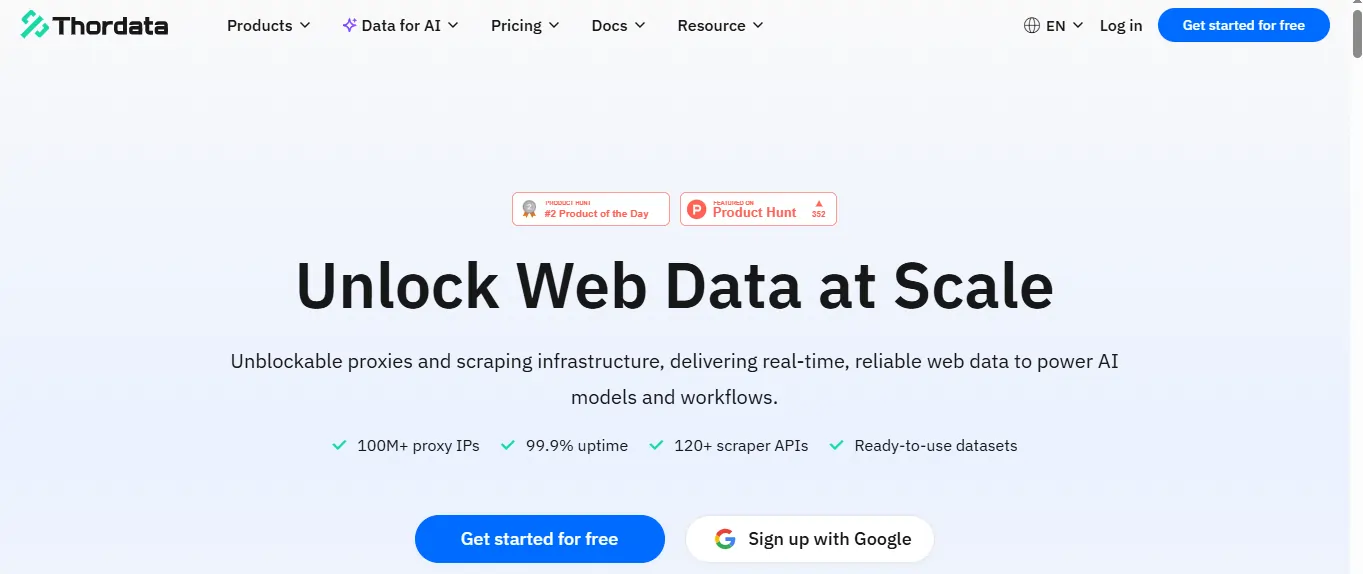
Thordata solves the bandwidth anxiety that plagues heavy antidetect browser users. Running 50 or more browser profiles daily, each browsing social media feeds, loading product pages, and simulating human activity, burns through gigabytes fast. The unlimited residential proxy plan at $69/day removes per GB metering entirely.
Pair that with Thordata's confirmed integrations with Incogniton and other antidetect browsers, and the setup is straightforward.
Their 100 million IP pool supports HTTP and HTTPS protocols with country, region, and city targeting. For eCommerce sellers managing dozens of Amazon or Shopee storefronts through antidetect browsers, the flat rate pricing means warm up routines and daily account activity never get throttled by bandwidth limits.
Thordata Pros
Thordata Cons
$69/day, no bandwidth cap
5. Webshare
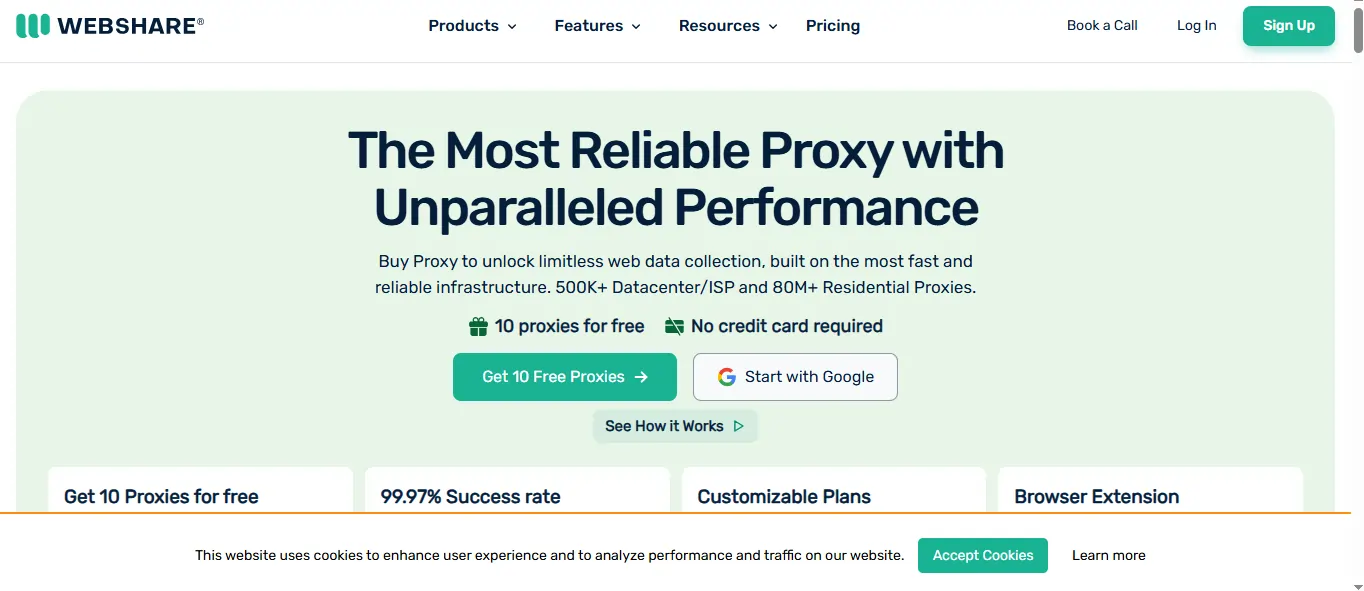
Webshare gives antidetect browser operators something no other provider matches. A permanent free plan with 10 proxies, 1 GB monthly bandwidth, and full SOCKS5 support at zero cost. For someone testing their first Dolphin Anty or GoLogin setup, those 10 free SOCKS5 proxies are enough to configure 10 separate browser profiles and validate the entire workflow before spending anything.
The paid tiers scale from $2.99/month for datacenter proxies to $1.12/GB for residential bandwidth on annual plans. The 80 million IP pool covers 195 countries with both HTTP and SOCKS5 protocols on every plan, including the free one. For budget operators running fewer than 20 profiles, Webshare delivers genuine value at price points that the premium providers cannot touch.
Webshare Pros
Webshare Cons
10 free proxies, no card, no expiry
6. Proxy-Seller
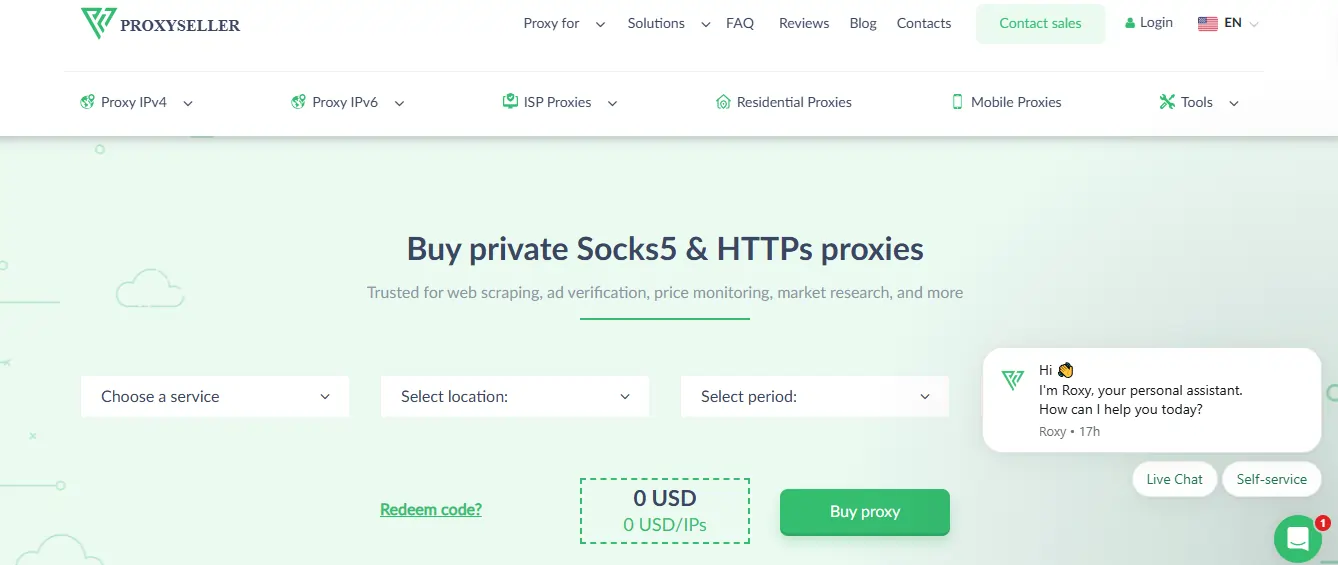
Proxy-Seller approaches the antidetect browser market through dedicated static IPs rather than rotating pools. Each proxy is privately assigned to your account. Nobody else routes traffic through it. For antidetect browser users managing high value accounts (verified Facebook Business Managers, aged Amazon seller accounts, established TikTok ad accounts), that exclusivity is worth the premium.
A shared residential IP that another operator just got banned on is the fastest way to lose a $500 aged account. Proxy-Seller's dedicated model prevents that entirely. They support HTTP, HTTPS, and SOCKS5 across datacenter, ISP, mobile, and residential types in 220+ locations. Published tutorials walk users through configuring proxies with AdsPower and other antidetect tools step by step.
Proxy-Seller Pros
Proxy-Seller Cons
Private IPs, 24 hour guarantee
7. ZenRows
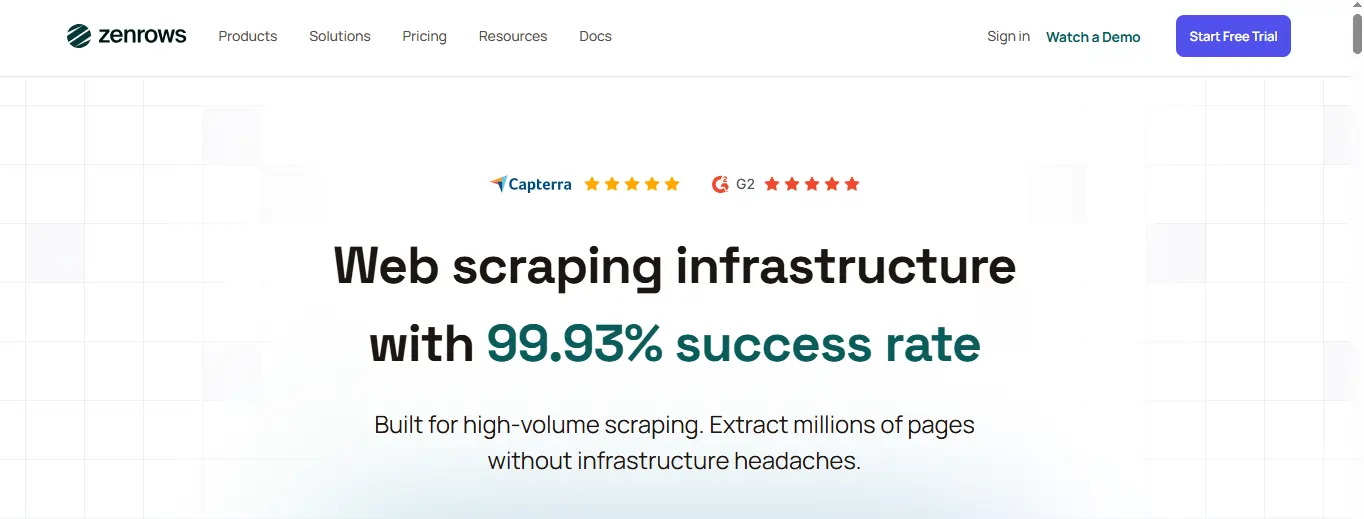
ZenRows is not a traditional proxy provider, and that is precisely why certain antidetect browser operators prefer it. The Universal Scraper API handles proxy rotation, fingerprint management, and CAPTCHA solving in a single managed layer.
For developers who build custom automation scripts that interact with antidetect browser profiles (scraping data through GoLogin profiles, automating actions across AdsPower instances), ZenRows removes the proxy management overhead.
The residential proxy pool spans 55 million IPs across 190+ countries. What makes ZenRows relevant for this use case is the built in fingerprint rotation, which adds a second layer of identity management on top of whatever the antidetect browser provides. Enterprise tiers support 200+ concurrent requests.
ZenRows Pros
ZenRows Cons
14-day free trial
8. IPRoyal

IPRoyal offers antidetect browser users a pricing model that removes bandwidth expiration pressure. Purchased residential traffic never expires, which means you can buy 10 GB today and use it across your Dolphin Anty or GoLogin profiles over the next six months. For operators who run accounts seasonally (holiday eCommerce, campaign based affiliate marketing), that flexibility prevents wasted bandwidth.
The pool covers residential, datacenter, ISP, and mobile proxies with SOCKS5 support. IPRoyal's Pawns.app sourcing means the residential IPs are ethically acquired through voluntary opt in, which keeps the pool cleaner than aggregated networks.
IPRoyal Pros
IPRoyal Cons
🔥 Slash 10% on IPRoyal Proxies Today
Boost speed and anonymity with IPRoyal proxies at 10% less. Enter AFFMAVEN10 during checkout for elite residential networks. Trusted by pros for seamless performance.
9. NodeMaven
NodeMaven built its reputation around one feature that antidetect browser operators care deeply about. Clean IP scoring. Before an IP reaches your proxy list, NodeMaven's system filters out addresses that have been flagged, blacklisted, or recently used for spam. That pre-filtering step directly reduces the ban rate when you assign those IPs to new antidetect browser profiles.
If the IP is already burned before you attach it to your GoLogin or Octo Browser profile, even a perfect fingerprint cannot save the account. NodeMaven's 24 hour sticky sessions are among the longest available, which gives warm up routines and daily browsing sessions the consistency platforms expect from real users.
NodeMaven Pros
NodeMaven Cons
🚀 50% NodeMaven Flash Sale!
Grab 50% off premium Node tutorials using AFFMAVEN50. Build scalable apps fast—perfect for devs ready to code smarter.
NodeMaven
Matching Proxies for Antidetect Browsers to Your Setup
SOCKS5 vs HTTP for Antidetect Browser Profiles
This is the single most important protocol decision for antidetect browser users. SOCKS5 handles UDP traffic, which means your antidetect browser can fully mask WebRTC IP leaks.
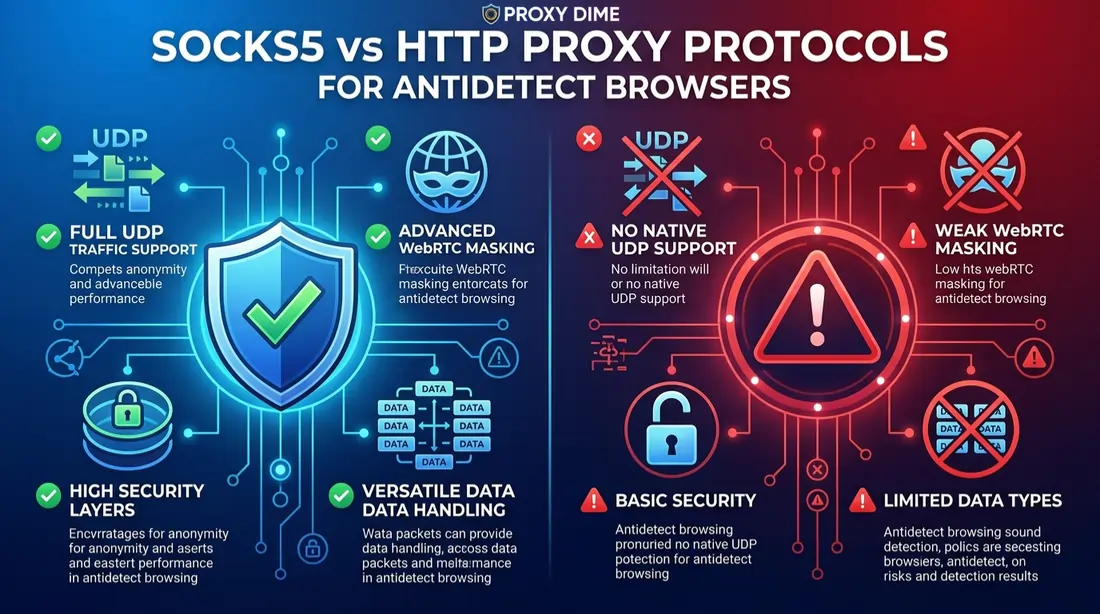
HTTP proxies cannot do this. If a platform checks WebRTC (Facebook and Google both do), an HTTP proxy will expose your real IP even if the rest of the fingerprint is clean. Choose a provider with full SOCKS5 residential support. Oxylabs, Webshare, and NodeMaven all deliver this.
Geolocation Matching Accuracy
Platforms cross reference your IP's geographic location against the browser fingerprint's timezone, language, and screen locale. A mismatch between an IP in London and a fingerprint set to Pacific Time triggers an immediate flag. City level targeting is the minimum standard for serious antidetect work.
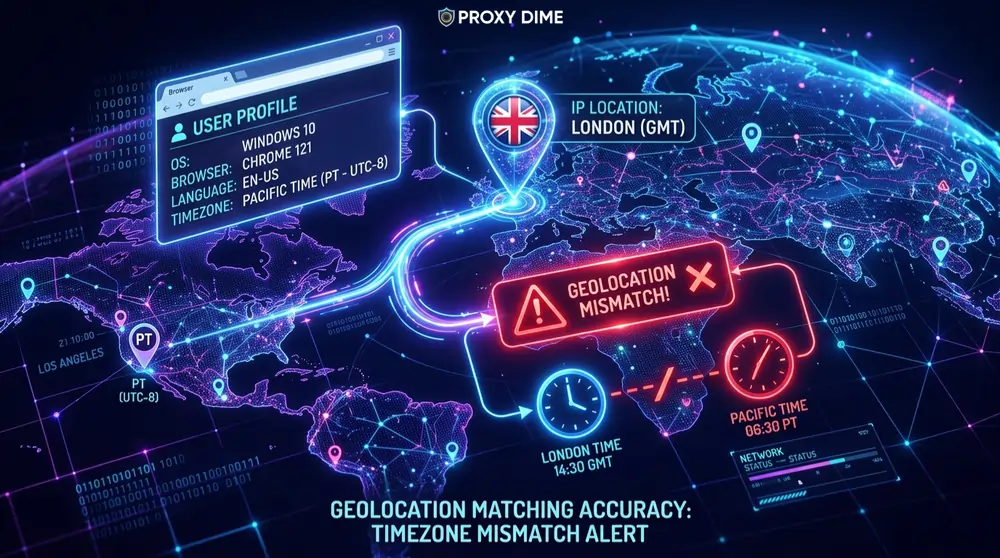
Postal code and ASN targeting from Oxylabs provides the tightest match available. Always set your proxy location to match the profile's configured timezone.
Session Duration for Account Warm Up
New antidetect browser profiles need warm up periods where the account behaves like a real user over several days. During warm up, the IP should remain consistent. If your proxy rotates mid session, the platform sees a sudden location change from the same device fingerprint.
That inconsistency triggers reviews. Sticky sessions of 10 to 30 minutes cover standard browsing sessions. NodeMaven's 24 hour sticky sessions are the safest for extended warm up routines.
IP Exclusivity and Contamination Risk
Shared rotating pools mean your profile's IP was used by someone else five minutes ago. If that person got banned, your fresh profile inherits the suspicion. Dedicated IPs from Proxy-Seller eliminate this risk entirely.
For high value accounts (verified Business Managers, aged seller accounts), the premium for dedicated IPs is justified. For lower value accounts, clean residential pools from Oxylabs or Bright Data provide sufficient safety through sheer pool size.
Cost Structure for Multi-Account Operations
Running 50 antidetect browser profiles with daily activity can burn 5 to 15 GB of residential bandwidth per month. At $2/GB, that is $10 to $30 monthly.
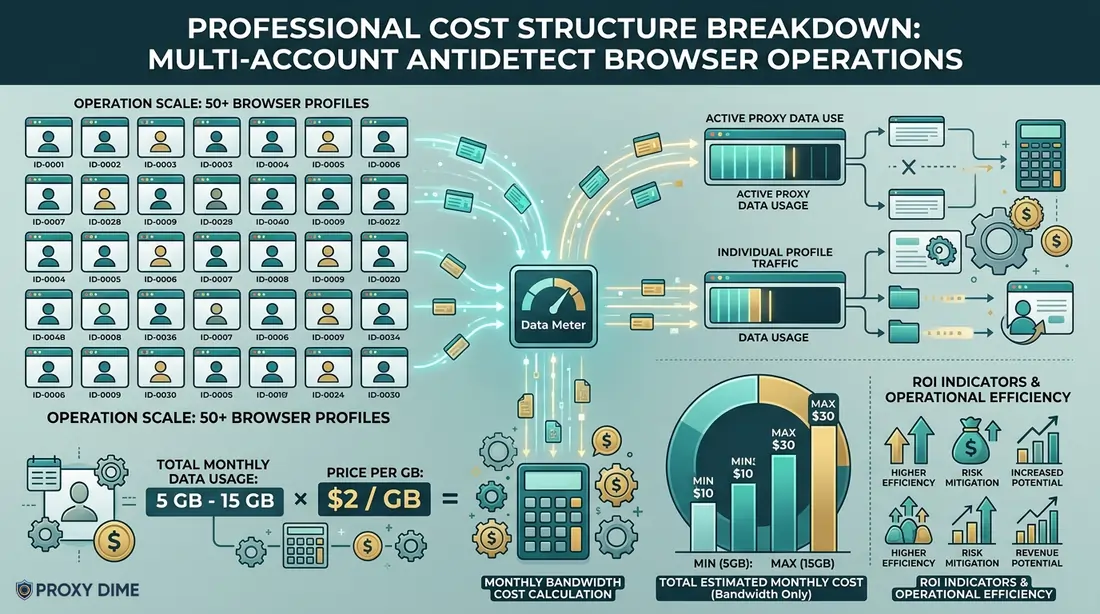
At 100+ profiles with heavy browsing, Thordata's unlimited plan at $69/day becomes the more economical option. Calculate your expected profile count and daily activity volume, then compare per GB pricing against flat rate alternatives. The break even point typically falls around 30 to 40 GB of daily usage.
Final Thoughts
For the deepest pool with full SOCKS5 and postal code targeting, Oxylabs is the strongest all round choice for antidetect browser operators. Decodo offers the best value through its free bundled X-Browser, eliminating the separate software cost entirely.
Webshare's permanent free SOCKS5 plan is the smartest way to test a multi-profile setup without spending anything upfront. Most of these providers offer trials, so configure your antidetect browser with two or three proxy sources and compare ban rates across a week of real activity. The proxy that keeps profiles alive the longest is the one worth paying for.