VPN detection technology has grown ruthless in 2026. Streaming platforms, corporate security systems, and government-blocked websites now identify and reject traditional VPN traffic within milliseconds of the first connection handshake. The reason is structural.
Most commercial VPN services route traffic through well-documented data centre IP blocks that every major platform has been cataloguing for years.
Security researchers estimate that over 70% of known VPN server IP ranges are already blacklisted by the top ten global streaming services.
Residential proxies for VPN solve this structural flaw by routing your connection through genuine consumer internet addresses.
Tested extensively across streaming bypass, remote region access, and corporate geo-unblocking scenarios, the seven networks below deliver what standard VPN connections now fail to provide. Here is a quick reference before the full breakdowns.
🆚 Proxy Networks vs. VPNs: The Technical Split
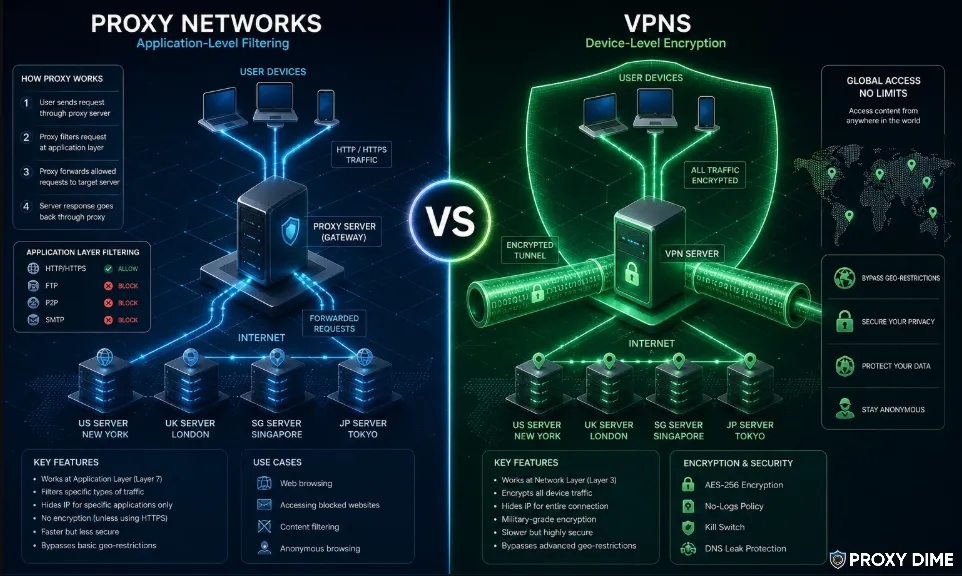
A proxy used for VPN-style purposes and an actual VPN perform the same surface-level task — they mask your real IP address from the destination server.
The similarity ends there. Standard VPN protocols including OpenVPN and WireGuard generate identifiable traffic signatures at the packet inspection level.
Deep packet inspection tools used by streaming services and regional ISPs detect these signatures and drop the connection instantly.
Residential proxies speak standard HTTP or SOCKS5. Traffic patterns look identical to a household broadband user loading a webpage. There are no VPN headers, no shared data centre ranges, and no recognisable encryption fingerprints for security systems to catch.
The table below shows exactly where the technical differences sit.
🌐 VPN vs. Residential Proxy: What the Numbers Say
| Feature | Traditional VPN | Residential Proxy |
|---|---|---|
| IP Detection Risk | High (known DC ranges) | Very Low (real consumer IPs) |
| Encryption | Full tunnel AES-256 | SOCKS5 transport layer |
| Streaming Block Rate | 70%+ blocked by major platforms | Under 5% on quality pools |
| Response Speed | 80–150ms additional latency | 20–50ms depending on location |
| Session Stability | Consistent but flagged | Varies with rotation settings |
| Geo-targeting Precision | Country level only | City and ASN level |
ISP proxies represent the top tier for sustained VPN-style anonymous access because they merge data centre speeds with residential trust scores.
A static ISP address leased from AT&T or Verizon carries a near-perfect reputation score that security systems treat with full confidence.
Quick Tip: For proxies used as VPN alternatives, static ISP addresses typically outperform standard rotating residential because streaming security algorithms treat rapid IP rotation as a fraud signal. Prioritise providers offering dedicated ISP addresses or sticky sessions lasting at least 10 minutes.
🏆 Best Proxies for VPN 2026: Full Network Reviews
| Proxy Provider | Proxy Types Available | Total IP Pool Size |
|---|---|---|
| Bright Data | Residential, ISP, Mobile, DC | 150 Million+ |
| Decodo | Residential, ISP, Mobile, DC | 115 Million+ |
| Oxylabs | Residential, ISP, Mobile, DC | 100 Million+ |
| ZenRows | API, Residential | Mixed Managed |
| Thordata | Residential, ISP, DC | 60 Million+ |
| Webshare | ISP, Residential, DC | 30 Million+ |
| Proxy-Seller | Dedicated ISP, Mobile | Regional Pools |
1. Bright Data
Bright Data runs the largest commercially available proxy network for enterprise VPN replacement. The total pool reaches over 150 million verified IPs across 195 countries with a documented 99.95% success rate on heavily defended platforms.
Their dedicated ISP pool alone contains more than 1.3 million static residential addresses that hold the same IP identity for weeks without any rotation.
Corporate IT departments routing distributed workforce traffic through consistent regional identities use this network because it handles the scale without degrading quality.
The Web Unlocker API solves browser fingerprinting — the secondary detection layer that defeats standard proxies on streaming platforms.
Key Network Characteristics:
| Metric | Bright Data Performance |
|---|---|
| Total IP Pool | 150 million+ |
| Network Uptime | 99.99% |
| Countries | 195 |
| Static ISP Pool | 1.3 million+ |
Pricing:
ISP proxies start from $1.80/IP monthly. Residential bandwidth from $8.40/GB. Free trial available for verified businesses.
Strengths:
Limitations:
Why Bright Data for Proxies for VPN: Their 1.3 million static ISP addresses are the closest thing to a personal dedicated VPN endpoint that a proxy network can offer. Combined with the Web Unlocker's fingerprint defeat capabilities, this is the only network that reliably handles the dual-layer detection used by premium streaming platforms and corporate firewalls simultaneously.
2. Decodo
Decodo achieved what most proxy providers only claim — a sub-0.3-second average response time across their 115 million residential IP pool.
That speed is critical when using a proxy as a VPN replacement for streaming because buffering starts the moment latency climbs above 150 milliseconds.
Their static ISP addresses pull from premium ASNs at AT&T, Verizon, and Orange specifically to achieve the trust scores that Netflix, Disney+, and BBC iPlayer demand.
The Site Unblocker feature layers automatic CAPTCHA defeat and browser fingerprint rotation on top of the proxy connection to handle the full detection stack.
Teams migrating away from traditional VPN infrastructure for geo-bypass work find the setup process considerably simpler than comparable enterprise alternatives.
Pricing:
Residential proxies start from $2/GB. Static ISP proxies with sub-0.2-second response times available. Free trial after account verification.
Strengths:
Limitations:
Why Decodo for Proxies for VPN: Decodo's static ISP infrastructure from premium carriers combined with a sub-0.3-second response time solves both problems that break VPN replacements — trust score failures and buffering from high latency. The Site Unblocker then handles the JavaScript fingerprinting layer that most providers ignore entirely.
3. Oxylabs
Oxylabs manages VPN replacement at distributed enterprise scale through a 100 million verified IP network and their proprietary Proxy Manager software.
Companies running multi-country remote access setups — where employees in ten different countries need region-consistent IP identities — use the Proxy Manager to automate all session and rotation logic without manual oversight.
The AI-driven rotation system actively avoids exhausted IP addresses that trigger security flags on streaming and corporate security platforms.
This is not a network for someone who needs to watch a single geo-blocked show. It is built for teams managing dozens of simultaneous regional identities that need to hold steady for sustained periods. Use code OXY30PREMIUM for 30% off.
Pricing:
Residential proxies from $8/GB. Use code OXY30PREMIUM for 30% off. Corporate trial available on request.
Strengths:
Limitations:
🌍 Oxylabs Discount Code for Global Proxy Management
Use Oxylabs coupon code OXY30PREMIUM to get 30% OFF premium proxy access with verified IPs, AI rotation, and Proxy Manager.

OXY30PREMIUM
4. ZenRows
ZenRows approaches VPN replacement as a detection defeat problem rather than a simple IP swap. Traditional streaming and firewall blocks work on two levels simultaneously — IP reputation scoring and browser fingerprint analysis. Swapping your IP address resolves the first layer.
The second layer catches most proxy users anyway because the browser fingerprint (headers, font rendering, canvas data) reveals that the connection is automated rather than human. Their API handles both layers in a single call.
Fintech developers, SaaS teams, and security researchers who need reliable access to geo-restricted APIs and dashboards without maintaining a local VPN infrastructure find this setup significantly more robust.
Pricing:
From $49/month for API access. Free trial available with initial request credits included.
Strengths:
Limitations:
5. Thordata
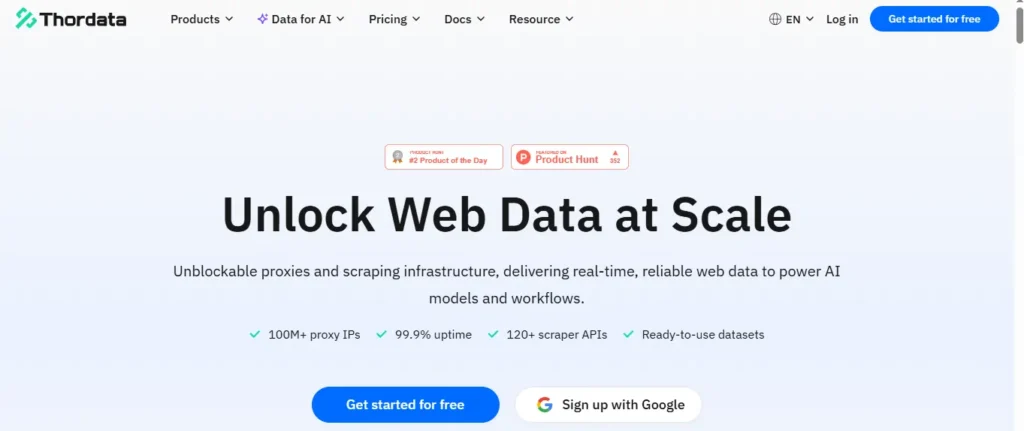
Thordata offers a legitimate VPN replacement at a price that makes most enterprise networks look overpriced.
Starting at $0.65/GB across a 60 million IP pool in 195 countries, this provider covers the geographic range that standard content geo-blocks target without demanding enterprise budgets.
Solo developers, small teams, and individual operators using proxies to access foreign content libraries or regionally locked platforms get solid performance at genuinely low cost.
The pay-as-you-go model means you are not forced into monthly minimums during periods of light usage. Plans start at $13/month for those who prefer predictable billing.
Pricing:
Residential from $0.65/GB. Monthly plans start at $13. Trial access available via support contact.
Strengths:
Limitations:
⚡ Thordata Promo Code for Cheap Residential Proxies
Use Thordata promo code AFFMAVEN to save 40% OFF cheap residential proxies with pay-as-you-go pricing and 195+ country coverage.
AFFMAVEN
6. Webshare
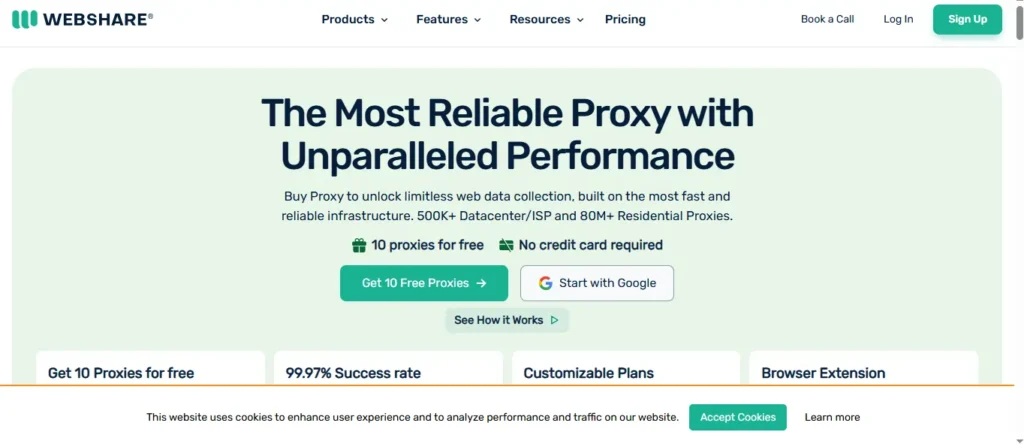
Webshare deploys static ISP proxies backed directly by major American consumer internet providers. Their network uses AT&T, Sprint, and Cox Communications addresses that carry native carrier trust scores of the highest tier.
The standout specification here is connection speed. Their ISP infrastructure delivers up to 1 Gbps throughput on dedicated addresses which eliminates the sluggishness that makes most proxy-based VPN alternatives frustrating for daily browsing and remote work.
The free trial tier with 10 dedicated static proxies provides a real-world test of the exact experience you get on paid plans.
Pricing:
Static ISP proxies from $6/month. Rotating residential from $4.50/GB. Free trial with 10 static addresses.
Strengths:
Limitations:
7. Proxy-Seller
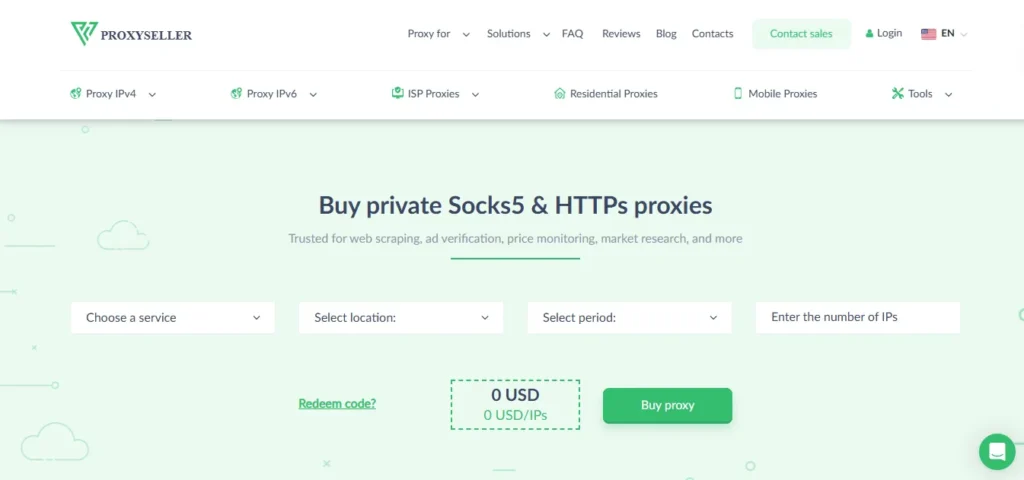
Proxy-Seller gives users something genuinely distinct from the rotating pool model — a single private IP address that nobody else touches, functioning exactly like a dedicated personal VPN endpoint.
When managing a foreign streaming subscription or accessing a region-locked remote work platform over months, reputation degradation from shared addresses ruins the experience.
Renting a private ISP proxy from Proxy-Seller at approximately $3 per month means the address history stays clean because only your traffic has ever passed through it. The setup is manual and straightforward with no API complexity involved.
Pricing:
Dedicated ISP proxies average $3/IP monthly, varying by country. No free trial.
Strengths:
Limitations:
⚡ Five Factors That Separate Good Setups from Failed Ones
1. ISP Address Quality vs. Pool Size
Most people focus on IP pool size and miss the more important factor — ASN reputation. A provider with 150 million IPs is useless if half are sourced from flagged data centres.
Streaming platforms and corporate firewalls run ASN checks instantly, and any connection routing through a known server farm block fails before the session starts.
Prioritise providers that document carrier-backed ISP sourcing.
Recommendation: Always verify which ASNs a provider sources from before committing to a residential geo-bypass plan.
2. Session Stability for Sustained Access
VPN usage is inherently session-heavy. You log into a streaming service, start watching, and need the IP to hold for 90 minutes or more.
Rotating residential proxies that cycle every 30 seconds make this impossible. The sticky session configuration of your chosen network determines whether this actually works in practice.
Decodo offers configurable TTL up to 30 minutes. Proxy-Seller and Bright Data ISP options hold indefinitely.
Recommendation: Match your session length requirement to the provider's sticky session maximum before testing.
3. Speed and Throughput for Streaming
Video streaming requires consistent throughput above 25 Mbps for 4K content and above 5 Mbps for standard HD. Standard rotating residential proxies rarely deliver the consistent throughput needed because peer-to-peer sourced bandwidth fluctuates significantly.
ISP static proxies from providers like Webshare (1 Gbps) and Decodo (sub-0.2-second response) are built for this.
Recommendation: Use static ISP proxies rather than rotating residential for any streaming application.
4. Detection Layer Coverage
Modern geo-blocking systems use two distinct detection approaches. First they check the IP reputation and ASN against blacklists. Then they run JavaScript fingerprint analysis on the browser session. Most proxy setups defeat only the first layer. The second layer catches them.
ZenRows addresses both. Bright Data's Web Unlocker addresses both. Standard proxy pools address only the first.
Recommendation: For streaming platforms running advanced bot protection, use a Web Unlocker or API-layer product rather than a raw proxy connection.
5. Geographic Precision for Regional Access
Country-level targeting is sufficient for broad access like watching US Netflix. City-level targeting becomes essential when the target application enforces strict regional validation tied to billing address or local service areas.
Bright Data, Decodo, and Oxylabs all offer city and ASN-level routing for precise regional matching. Thordata covers 195 countries at country level which handles most standard geo-bypass scenarios.
Recommendation: Match your targeting granularity to the specific validation behaviour of your target platform.
🎯 Real Questions About Proxies for VPN
What are proxies used as VPN alternatives?
Residential and ISP proxies used as VPN alternatives route your traffic through genuine consumer IP addresses to bypass geo-restrictions and IP blocks that detect and reject traditional VPN connections. They avoid VPN detection by looking identical to ordinary household browsing traffic.
How do proxies bypass VPN detection systems?
They replace identifiable VPN server IP addresses with genuine ISP-assigned consumer addresses. Because residential proxy traffic patterns are indistinguishable from normal household browsing at the packet level, deep packet inspection systems and IP blacklists cannot classify or block them.
What type of proxy works best as a VPN replacement?
Static ISP proxies are the strongest option. They combine the speed and reliability of data centre infrastructure with the trust score of a genuine residential address. They hold a consistent regional identity indefinitely, which is the core requirement for VPN-style access.
How much do proxies for VPN access cost?
Static ISP proxies typically cost $3 to $6 per dedicated IP monthly. Rotating residential bandwidth ranges from $0.65/GB at budget providers like Thordata to $8.40/GB at enterprise networks like Bright Data. Enterprise ISP pool access at Bright Data starts around $1.80/IP monthly for volume deployments.
Are proxies legal to use as VPN alternatives?
Proxies are entirely legal network tools. Using them to bypass geo-restrictions on streaming services may violate those services' terms of use, but this is a contractual matter rather than a legal one. Corporate and business uses for geo-routing and security testing are universally compliant.
Can a proxy fully replace a VPN for all use cases?
For geo-bypass and regional access, yes. For full device-level traffic encryption, no. Proxies operate at the application or request level. VPNs encrypt all traffic at the operating system level. If your primary need is geo-routing rather than full device encryption, quality residential proxies consistently outperform VPNs on reliability.
Can free proxies work as VPN alternatives?
No. Free proxy addresses are universally blacklisted by streaming platforms and corporate security systems within days of appearing. Traffic passing through free networks is also frequently intercepted. For any serious geo-routing need, paid residential or ISP networks are the only options that reliably perform.

More Guides On Proxy Dime
📌 Final Thoughts
Replacing or supplementing a VPN with quality residential proxies delivers measurably better geo-bypass results in 2026 across every major streaming and content platform.
Bright Data remains the strongest choice for enterprise-level regional routing with their 1.3 million static ISP addresses and 99.99% network uptime.
Decodo is the practical pick for streaming access, combining sub-0.3-second speeds with Site Unblocker fingerprint defeat at a genuinely reasonable price.
Thordata is worth considering for any solo operator who needs solid geo-bypass without committing to premium budgets. Both Bright Data and Decodo offer trials to test against your specific target before spending.
Choosing the right setup is mostly a matter of matching your session length and platform requirements to what each network actually provides.