The internet has been running out of IPv4 addresses for over a decade. Yet, if you are building a web scraping pipeline, managing multiple e-commerce profiles, or verifying global ads, IPv4 remains the only protocol that guarantees 100% compatibility across every website on the planet.
While IPv6 proxies are cheaper because of their massive 128-bit supply, they are useless if your target server—whether it is a niche B2B directory or a legacy government portal—does not support the protocol. IPv4 is the universal key.
However, not all IPv4 proxy networks are built the same. Because the supply of 32-bit IPv4 addresses is exhausted, providers must aggressively acquire and maintain their pools, heavily impacting quality and pricing. I have evaluated the major players based on IPv4 availability, network speeds, and how well they handle heavy concurrency. Here are the 6 providers that stand out in 2026.
🤔 Why IPv4 Proxies Still Dominate Web Scraping

When you configure a proxy for a bot or scraper, the protocol determines whether the target server can even understand your request.
An IPv4 proxy uses the traditional 32-bit address format (e.g., 192.168.1.1). An IPv6 proxy uses a much longer 128-bit format. While IPv6 is newer and allows for virtually unlimited addresses (preventing IP exhaustion), its fatal flaw for scraping is compatibility.
Many major platforms, regional e-commerce sites, and older databases simply drop IPv6 requests because their backend infrastructure has not been updated to route them. If you try to scrape an IPv4-only site using an IPv6 proxy, your scraper will return a timeout or connection error before anti-bot systems even get involved.
Furthermore, because IPv4 addresses are scarce, a high-quality, clean IPv4 address carries more trust. Whether you are using datacenter IPv4s for sheer speed or residential IPv4s for ultimate stealth, this protocol is the mandatory baseline for modern data extraction.
Quick Tip: If your scraping target is a major modern platform (like Google or Facebook), you might get away with cheaper IPv6 proxies. But for long-tail scraping, B2B data collection, or any task requiring guaranteed access, stick strictly to IPv4 proxies.
High-Performance IPv4 Proxy Providers for Smooth Online Operations
Instead of a standard feature table, here is a breakdown of how these providers deliver their IPv4 infrastructure.
| Provider | Primary IPv4 Delivery Model | Starting IPv4 Cost Metric |
|---|---|---|
| Webshare | Dedicated & Shared Datacenter | Highly modular, starting ~$1.77/IP |
| Decodo | Premium Rotating & Datacenter | Pay-as-you-go from $3.50/GB |
| Oxylabs | Enterprise Shared & Dedicated | Enterprise block starting ~$50/mo |
| ZenRows | Managed Anti-Bot Residential | API Credit system from $49/mo |
| Thordata | Budget Bulk Residential/ISP | Traffic-based from $0.65/GB |
| Proxy-Seller | Single-Purchase Personal IPs | A la carte per IP |
1. Webshare — The Modular IPv4 Testing Ground
Webshare has cornered the market for developers who need robust IPv4 proxy access without talking to a sales team. Their infrastructure is heavily focused on datacenter IPv4 addresses, offering both shared and individual (dedicated) options.
What makes Webshare unique is how you buy: you do not pay for a massive, feature-bloated plan. You buy a base package of IPv4 addresses and add modular upgrades—like higher bandwidth limits, extra concurrent threads, or specific country selections—only as your script demands them.
Core IPv4 Capabilities:
💰 Pricing Details: Free tier available (10 IPs). Paid IPv4 plans scale based on whether you choose shared or individual IPs, with base packages starting well under $10.
Pros
Cons
2. Decodo — Premium Rotating IPv4 Traffic
Decodo (formerly Smartproxy) offers a massive, highly vetted pool of IPv4 proxy addresses specifically designed for users who need to bypass CAPTCHAs and geo-blocks seamlessly. They offer multiple IP types, but their rotating residential IPv4 network is the standout.
With over 125 million IPs globally and response times clocking in under 0.6 seconds, it is built for operators who need speed without sacrificing the trust of a real user connection.
They also recently introduced highly competitive pay-as-you-go pricing for their IPv4 network, removing the barrier to entry for smaller projects.
Core IPv4 Capabilities:
💰 Pricing Details: Residential IPv4 via pay-as-you-go starts at $3.50/GB. Bulk subscription tiers drop the price closer to $2.00/GB.
Pros
Cons
3. Oxylabs — Enterprise Block IPv4 Infrastructure
If you are running a scraping operation that ingests terabytes of data daily, you need an IPv4 proxy provider that won't throttle your connection or run out of clean IPs. Oxylabs caters almost exclusively to this enterprise tier.
Their shared and dedicated datacenter IPv4 proxies are legendary for their stability under extreme loads. Rather than charging per gigabyte for their datacenter IPv4s, Oxylabs allows unlimited bandwidth, charging based on the number of IPs or the size of the shared pool access you require.
Core IPv4 Capabilities:
💰 Pricing Details: Shared Datacenter IPv4s start from $50/month. Use code OXYLABS50 for 50% off select proxy packages.
Pros
Cons
4. ZenRows — Managed IPv4 Routing for Hard Targets
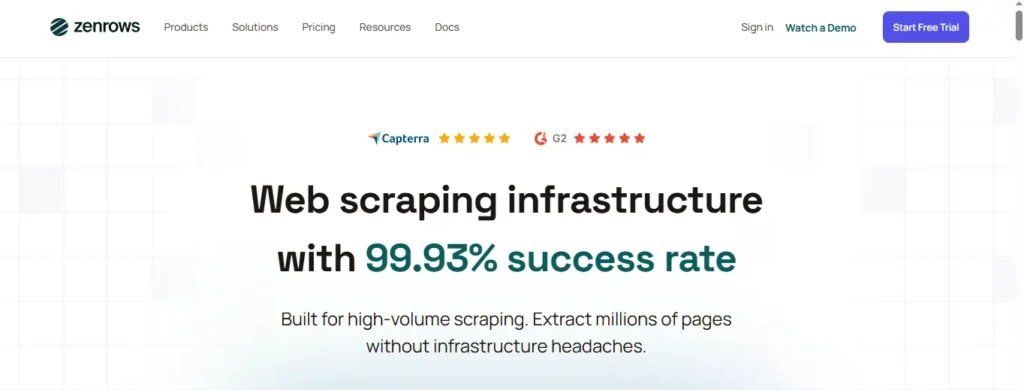
ZenRows flips the traditional proxy model. Instead of handing you a list of IPv4 proxy addresses and wishing you luck against Cloudflare, they provide a Universal Scraper API.
When you activate their “Premium Proxy” feature, ZenRows automatically routes your HTTP request through a clean residential IPv4 address from their global pool.
You never see the IP address, you never manage the rotation, and you never worry about IPv4 pool exhaustion. You simply send the API request, and ZenRows handles the proxy logistics to return the HTML.
Core IPv4 Capabilities:
💰 Pricing Details: Billed via API credits starting at $49/month. Using the Premium Proxy (residential IPv4) feature multiplies the credit cost per request.
Pros
Cons
5. Thordata — Bulk Residential IPv4 on a Budget
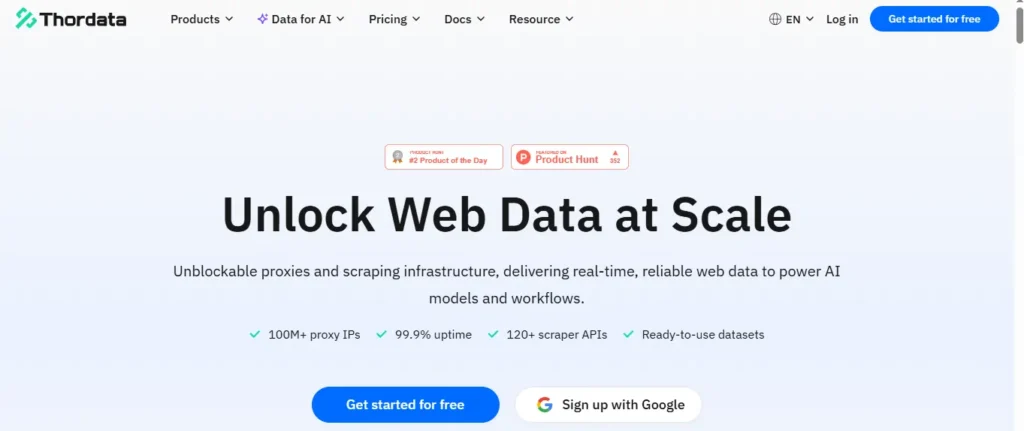
Thordata has rapidly gained traction by offering massive IPv4 proxy pools at rates that drastically undercut the established enterprise brands.
They boast a network of over 60 million IPs spanning 190+ locations. Their core offering is dynamic residential IPv4s, which automatically rotate to evade anti-scraping mechanisms.
At $0.65/GB, it is one of the most cost-effective ways to push high-frequency data crawling through clean, residential-grade IPv4 connections.
Core IPv4 Capabilities:
Pricing Details: Dynamic residential IPv4 traffic starts at an aggressive $0.65/GB.
Pros
Cons
6. Proxy-Seller — À La Carte Personal IPv4
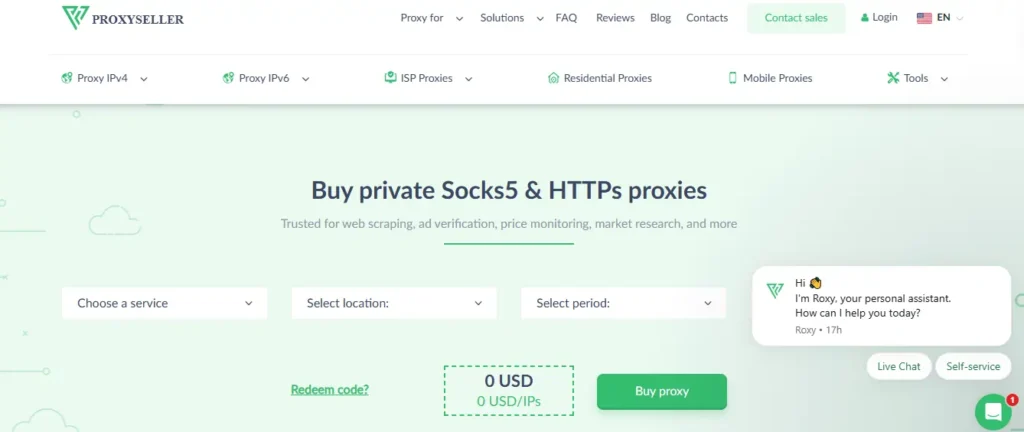
While most proxy companies push you toward large, traffic-based pools, Proxy-Seller caters to users who need granular control over specific IPv4 proxy assets.
They allow you to purchase individual personal IPv4 proxies, supporting both HTTP(s) and SOCKS5. If you only need exactly three IPv4 addresses in Chicago for a month to manage specific affiliate accounts, Proxy-Seller lets you buy exactly that without forcing you into a 50GB subscription plan.
Core IPv4 Capabilities:
Pricing Details: Priced per individual IP, dropping significantly based on the length of the lease and the volume purchased.
Pros
Cons
✅ How to Choose the Right IPv4 Proxy for Your Scraping Project
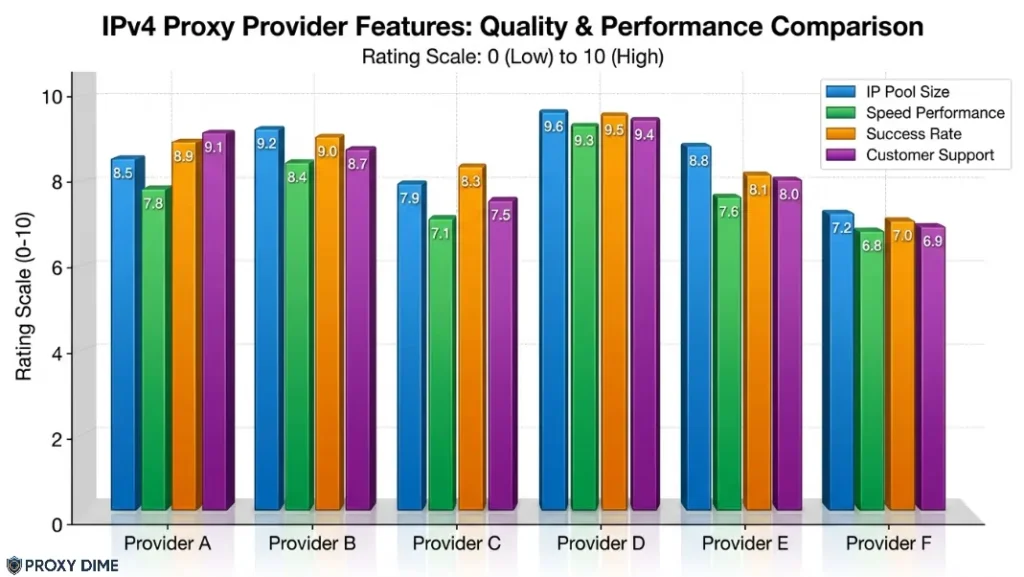
When deciding between these IPv4 proxy providers, the choice comes down to the friction of your target.
Are you scraping unprotected directories?
If the target lacks complex anti-bot software, do not pay for residential traffic. Grab shared datacenter IPv4s from Webshare or Oxylabs. They are infinitely faster and significantly cheaper.hosting
Are you scraping modern e-commerce or social media?
These platforms block datacenter IPs on sight. You must use rotating residential IPv4s. Decodo offers the best balance of speed and premium IP quality, while Thordata provides the raw volume at the lowest cost.today
Are you stuck behind Cloudflare or DataDome?
If you cannot figure out how to structure your headers to bypass advanced security, use an API layer. ZenRows manages the IPv4 proxy rotation and the browser fingerprinting simultaneously, guaranteeing access.
🚀 Frequently Asked Questions About IPv4 Proxies
What is the difference between IPv4 and IPv6 proxies for web scraping?
IPv4 uses a 32-bit address format and is universally supported by every website on the internet. IPv6 uses a 128-bit format; while cheaper and more abundant, many legacy websites and regional servers still do not support IPv6 routing. If you scrape with IPv6 on an unsupported site, the connection will fail.
Why are IPv4 proxies more expensive than IPv6?
The world effectively ran out of unallocated IPv4 addresses years ago. Because the supply is finite and demand remains incredibly high for compatibility reasons, proxy providers must pay a premium to acquire and maintain clean IPv4 subnets, passing that cost to the consumer.
Can I use shared IPv4 proxies for social media management?
It is highly discouraged. Shared IPv4 proxies mean other users are accessing sites from the same IP. If they get banned, your accounts get caught in the crossfire. Always use dedicated or personal IPv4 proxies (like those from Proxy-Seller) for account management.
What does “rotating” an IPv4 proxy mean?
In a rotating setup (usually residential), the provider gives you a single endpoint (like proxy.provider.com:8000). Every time your scraper sends a request through that endpoint, the provider's server forwards it through a different IPv4 address from their massive global pool, preventing rate-limiting.
Are datacenter IPv4 proxies safe to use?
They are completely safe and legal, but they are easily detectable. Target websites can see that the IPv4 address belongs to a datacenter ASN (like AWS or Google Cloud) rather than a home internet provider. They are perfect for raw speed on unprotected sites but poor for stealth.

More Guides On Proxy Dime
🎯Final Thoughts
The scarcity of 32-bit addresses means high-quality IPv4 proxy infrastructure is a premium asset in 2026. You cannot afford to waste budget on IPs that arrive already blacklisted by major CDNs.
If you need raw speed and are comfortable handling your own rotation, Webshare’s modular datacenter IPv4s are the smartest technical starting point. For teams extracting data from modern, protected platforms, Decodo’s pay-as-you-go residential network provides the necessary stealth without locking you into massive contracts.
And if you are building an enterprise pipeline that simply cannot afford to fail, Oxylabs remains the gold standard for unrestricted IPv4 bandwidth.
👉 What is the biggest hurdle your scraping pipeline is facing right now?