Logging into the same Facebook profile from three different rotating IPs in one hour is a good way to trigger a checkpoint. Static residential proxies exist to solve that exact problem.
You keep one clean ISP IP for each identity and the platform sees the same address every time, just like a normal home user.
Static residential, also called ISP proxies, sit between classic rotating residential pools and datacenter proxies. They get their IP space from real internet service providers, not cloud ranges, but the address stays fixed for as long as you rent it.
That combination is perfect for multi account setups, long log in sessions, anti fraud testing and high trust scraping on targets that hate shifting IPs.
When I say static here, I mean true ISP backed IPs with unlimited or high bandwidth and very high uptime. These are the tools I reach for when a client complains that rotating residential proxies keep kicking them out of dashboards or analytics portals.
🚀 Fast Overview: Who Should Pick What
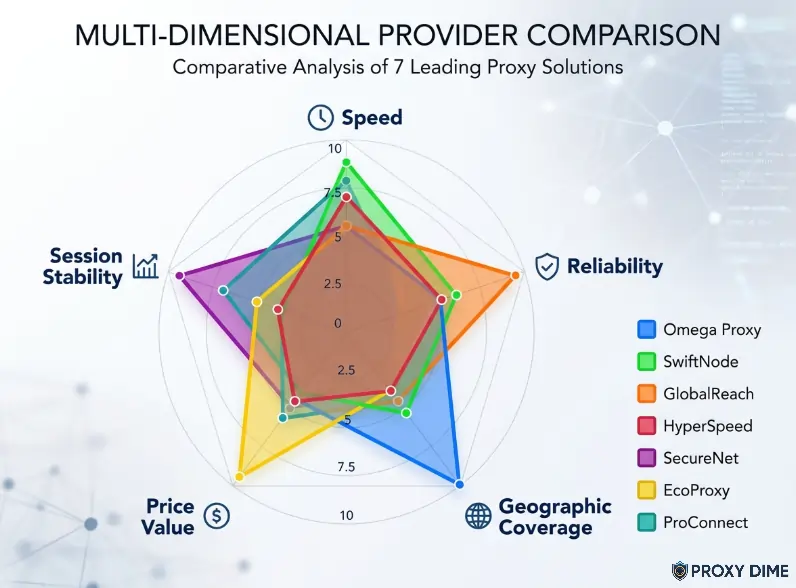
Different to the mobile guide, I am using a “best for scenario” snapshot instead of a classic feature table.
📈 Static Residential Context Map
Quick context so the rest of the article stays anchored.
💼 How Static Residential Proxies Actually Work
A static residential proxy hands you a fixed IP from an ISP range, and that IP does not change unless you ask for a rotation. The provider wires that IP to a proxy endpoint that you plug into your browser profile, bot or scraper. Every request from that profile exits with the same address.
Because the IP sits on a residential ASN rather than a cloud subnet, detection engines treat it like a normal home connection.
Combining that with a consistent browser fingerprint in tools like Multilogin makes your profile look like a single human behind a single router. That stability lets you warm accounts gently, run longer sessions and keep cookies alive.
You give up the sheer anonymity of “new IP every request” but in return you get trust. For multi account social, payment gateway logins, betting sites, affiliate dashboards and anything with fraud scoring, trust beats constant rotation.
Quick tip for static residential proxies. Use static ISP IPs wherever the site treats new IPs as a security risk, and keep classic rotating residential for raw web scraping where fresh IPs matter more than a clean device history.
📸 Static Residential Snapshot Table 2026
Different structure, three columns only, but focused on IP model and billing.
| Provider | IP Model | Billing Style |
|---|---|---|
| Decodo | ISP static pool | Per IP, unlimited option. |
| Bright Data | 1.3M ISP IPs | Per IP and per GB |
| Oxylabs | 100K static IPs | Per IP, unlimited traffic . |
| Webshare | ISP fixed IP list | Cheap per IP, unlimited bandwidth. |
| Thordata | Long session residential | Per GB with static options |
| ZenRows | Sticky residential sessions | Credit based API |
| Proxy Seller | Dedicated static IPs | Per IP subscriptions |
1. Decodo – Static ISP Proxies For Long Sessions
Decodo’s static residential proxies are proper ISP IPs with 99.99 percent uptime and sub 0.2 second response time. That combination makes them strong for always on scrapers and browser profiles that run all day. You are not dealing with P2P peers here but real carrier and broadband partners, which sharply lowers random offline events.
Useful details:
💰 Pricing angle: Public page shows static ISP proxies from about $0.27 per IP when you buy at volume, with unlimited bandwidth options on higher tiers.
Where Decodo feels right: When a client wants one ISP IP per Multilogin profile for 50 to 200 profiles, and they want those profiles to stay alive for months, Decodo is usually my first move because the combination of ISP trust and speed feels close to datacenter but without the bans.
2. Bright Data – Huge Static ISP Pool For Enterprises
Bright Data runs one of the biggest static residential IP pools around, sitting at roughly 1.3M ISP IPs with an extra two hundred thousand added in 2026 according to third party coverage. The point of that volume is simple. Big brands and data vendors can assign unique fixed IPs to thousands of browser profiles without sharing.
Useful details:
💰 Pricing angle: ISP static plans are priced per IP or per GB depending on model. Expect to be on the higher side of the market but you are paying for geo depth and compliance paperwork.
Where Bright Data fits: When the brief includes “compliance team wants docs” or “we need a few hundred static residential IPs across fifteen countries”, Bright Data is the practical choice. Ad verification, price intelligence and large scale SaaS testing tend to land here.
3. Oxylabs – Simple Unlimited Static Residential IP Bundles
Oxylabs sells static residential proxies in clear IP bundles with unlimited bandwidth and per IP billing. Starter bundle is ten IPs at 1.60 dollars per IP per month, with pricing dropping towards 1.20 dollars per IP on bigger packs. You get more than one hundred thousand static residential IPs total across about seventeen locations.
Useful details:
💰 Pricing angle: Starter at 1.60 dollars per IP, bigger bundles near 1.20 dollars per IP. For normal rotating residential, rates start at 8 dollars per GB but you can cut that in half with your coupons.
Coupon stack for you:
Use this on the residential pricing page:
Where Oxylabs fits: If you want a clean way to give each account a static IP and you do not want to watch bandwidth, Oxylabs IP bundles work well. They pair nicely with separate rotating residential for scraping, all inside one vendor.
Save 50% on Oxylabs Premium Residential Proxy Network
Use code OXYLABS50 for 50% off Oxylabs residential proxies.
Get premium-quality proxy access at a much lower price.

Use Code 🎁
OXYLABS50
4. Webshare – Static Residential Entry Point With Unlimited Bandwidth
Webshare keeps its offer very simple. Static residential proxies with ISP issued IPs, HTTP or SOCKS5 support and up to unlimited bandwidth on each IP. That alone makes it attractive as a test bed. You can grab a handful of fixed IPs for very little money, hook them into an anti detection browser and see how your stack behaves.
Useful details:
💰 Pricing angle: Public site advertises static ISP proxies from around 0.30 dollars per IP depending on quantity, making it one of the cheapest ways to play with ISP IPs..
Where Webshare fits: When a reader wants to try static residential proxies for the first time and does not want to fight an enterprise dashboard or sales calls, Webshare is the sensible first stop.
5. Thordata – Budget Helper For Static And Long Session Work
Thordata shows up in most 2026 static residential shortlists because it adds ISP style long session options on top of a decent residential pool at lower prices than the big names. It is not as feature rich as Bright Data or Oxylabs but it does the basics properly. For many projects that is enough.
Useful details:
💰 Pricing angle: Residential traffic from about 2.20 dollars per GB, which undercuts most household names. Static and long living options are priced add on, still below many competitors.
Where Thordata fits: I pull Thordata in when the budget ceiling is hard, but the user still wants some ISP or long session capacity for a slice of their accounts instead of going pure datacenter.
Save 40% on Thordata Proxies
Use AFFMAVEN to unlock 40% off Thordata and save on low-cost proxy plans built for longer sessions.
Use Code 🎁
AFFMAVEN
6. ZenRows – Scraping API That Can Sit On Static IPs
ZenRows is not a direct “buy X static IPs” vendor. Instead, it gives you an advanced scraping API that handles browser fingerprinting, headless browsers and anti bot walls, while sitting on top of residential and premium proxies. For many developers, that is easier than juggling IP lists inside their own code.
Useful details:
💰 Pricing angle: Starts near 49 dollars a month for 250k credits, with residential from about 2.80 dollars per GB on pure proxy products. Static behaviour comes from sticky sessions rather than pure “own this IP”, but the experience for many scraping jobs is similar..
Where ZenRows fits: If someone types “static residential proxies” but really wants “less scraping pain” rather than owning IPs, ZenRows is often the better win. They get the effect of stable sessions without building that stack themselves.
7. Proxy Seller – Dedicated Static Residential And ISP Style IPs
Proxy Seller offers dedicated static IPs in residential and ISP ranges. That means you are the only user on that IP for the whole billing period. For account farming, payment profiles and situations where shared pool history is a risk, exclusive IPs are worth the higher fee.
Useful details:
💰 Pricing angle: Starts around 10 dollars per IP per month on many residential and ISP options, dropping with larger orders. That sounds steep but for high value accounts it is often justified.
Where Proxy Seller fits: If your workflow looks like “ten Shopify stores, each worth a few thousand every month”, paying real money for static dedicated ISP IPs is not overkill. Shared anything feels like a risk then.
Exclusive Proxy-Seller Deal – 15% Off
Grab 15% off Proxy-Seller with code AFFINCO and cut costs on dedicated residential and ISP-style IPs.

Use Code 🎁
AFFINCO
👀 How I Choose Static Residential Proxies In Practice
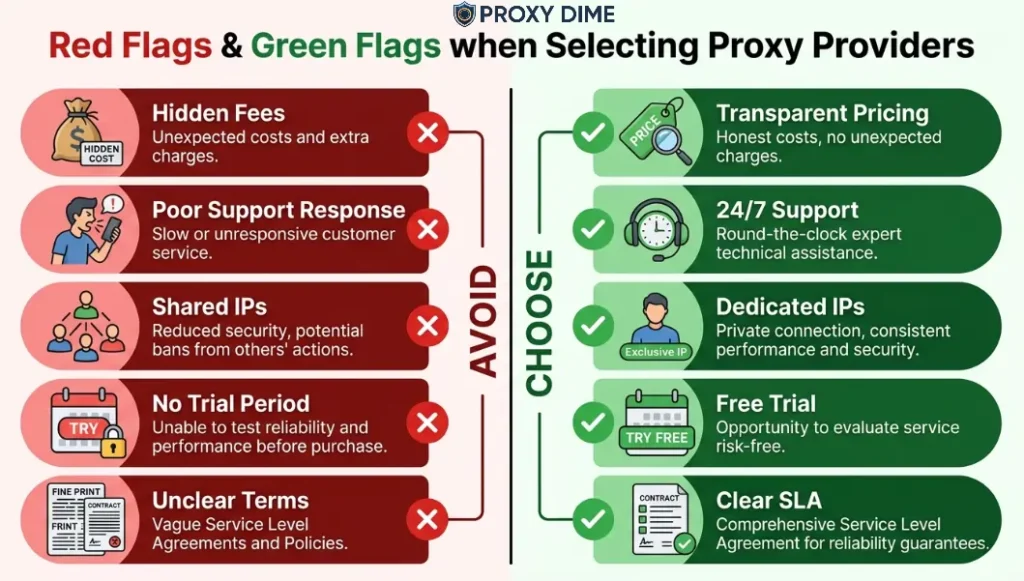
Instead of a formal buyer’s guide, I use a quick five question filter.
1. Do I need one IP per identity for a long time.
If the answer is yes, I cross off pure rotating residential and look only at static and ISP products. Long lived browser profiles want one constant IP.
2. How fragile is the target.
Banking, payment, crypto, betting and certain social networks behave badly when IPs change. For those I prefer top tier ISP ranges from Decodo, Bright Data or Oxylabs, even if they cost more.
3. Is bandwidth or IP count the constraint.
For a few high value accounts, I pay per IP and grab unlimited traffic bundles. For scraping where I need long sessions but many requests, Thordata style cheaper long session residential or ZenRows sticky sessions often make more sense.
4. Do I also need rotating residential.
Many readers end up with a mix. Static IPs hold accounts in Multilogin or AdsPower, and rotating residential does the heavy crawling. In that setup, life is easier if both come from the same vendor dashboard, which favours Oxylabs, Decodo and Bright Data.
5. What discounts are on the table.
Your coupons matter here. For Oxylabs, cutting residential rates in half with OXYLABS50 changes the maths on any project with heavy rotating use. For IPRoyal or NetNut, your separate residential coupons work when you do not strictly need static.
🎯 FAQ About Static Residential Proxies
What are static residential proxies?
Static residential proxies are fixed IP addresses from real ISP ranges that do not rotate unless you ask the provider to swap them. They combine the trust of a home connection with the stability of a constant IP, which is ideal for account management and long logins.
How do static residential proxies work in tools like Multilogin?
You buy one or more static ISP IPs and assign each IP to a separate browser profile in Multilogin or similar tools. Every visit from that profile then uses the same ISP IP and matching fingerprint, so sites see one stable user behind a home router rather than many new IPs.
Which proxy type is best for account farming and long sessions?
For account farming, static residential or ISP proxies are usually best because platforms dislike seeing sensitive profiles jump between IPs. Rotating residential is stronger for pure scraping. Datacenter IPs still have a place for low risk tasks but trip fraud systems on many sites.
How much do static residential proxies cost in 2026?
Static residential pricing in 2026 runs from about 0.30 dollars per IP at Webshare up to 1.60 dollars per IP at Oxylabs on ldropping to near 1.20 dollars on bigger packs. Enterprise ISP networks like Bright Data charge more but add compliance and larger pools.
Are static residential proxies legal?
Static residential proxies are legal to buy and use in most countries. What matters is how you use them. Respect target terms, avoid illegal scraping or fraud and talk to legal counsel if you work in regulated sectors like finance and health. Providers like Bright Data and Oxylabs also have compliance guidance.
Can I use free proxies instead of static residential IPs?
Free proxies usually come from random sources, often datacenter ranges with unknown history. They change without warning and get flagged a lot. That combination makes them a poor fit for anything involving accounts or money. For static residential use cases, free is usually more risk than it is worth.

More Guides On Proxy Dime
✨ Quiet Ending
If I had to pick three names for static residential proxies right now, I would start with Decodo for fast ISP IPs with simple pricing, Oxylabs for straightforward unlimited static bundles and Bright Data when pool size and compliance matter more than pure cost.
Webshare is my go to sandbox for cheap tests. Try small batches first, wire them into one or two profiles, then scale once you see which provider your target sites tolerate.
👉 Would you rather optimise this for social media account work, or for long session scraping on SaaS and eCommerce sites?