You have a scraping project ready to go. Two names keep showing up in every forum thread and review. Oxylabs and Bright Data both promise huge IP pools and near-perfect success rates. So which one actually earns the price you pay?
That question is why the Oxylabs vs Bright Data debate refuses to slow down. Both target serious data teams. Both charge like it. Scrapers, growth marketers, and researchers want to know where the real gap sits.

What PROXY DIME Says: What catches our eye is how closely these two mirror each other on paper, yet feel different once you run traffic through them. Pricing tiers, pool quality, support response, all of it shifts the experience. Stick around as we pull the layers apart.
Oxylabs vs Bright Data: The 30-Second Verdict
Both providers sit at the premium end of the market. They serve overlapping audiences, and their feature lists rhyme more than they differ.
Who Each One Suits Best
Bright Data leans on the larger advertised network and the broadest product catalog, from proxies to full datasets and AI agent tools. It reads like a data platform that happens to sell proxies.
Oxylabs counters with a tightly focused proxy and scraper stack, strong compliance credentials, and entry pricing that dips lower on a couple of products. It reads like a proxy specialist that added smart tooling on top.
🚀 Oxylabs Proxy Discount for Web Data Teams
Oxylabs gives teams premium proxies, scraper APIs, and compliance-focused infrastructure, now available with 50% off using this code.

Use Code 🎁
At-a-Glance Comparison
| Factor | Oxylabs | Bright Data |
|---|---|---|
| Residential IP pool (advertised) | 175M+ | 400M+ |
| Countries | 188+ | 195 |
| Residential starting price | $2.5/GB | $2.5/GB (50% off from $5) |
| Datacenter starting price | $0.7/IP | $0.9/IP |
| ISP starting price | $1.2/IP | $1.3/IP |
| Published success rate | 99%+ | 99.95% |
| Published uptime | 99.9% | 99.99% |
| Customers (advertised) | 15,000+ | 20,000+ |
| Free trial | Yes (select products) | Yes (free tier on several APIs) |
Every figure in this table comes straight from each provider's live pages and includes current promotions. Read them as starting points that anchor the rest of this comparison, not as final quotes.
IP Pool Showdown: Network Size and Global Reach
Network size is the first thing most buyers check, and it is where the two split most visibly.
How the Networks Stack Up
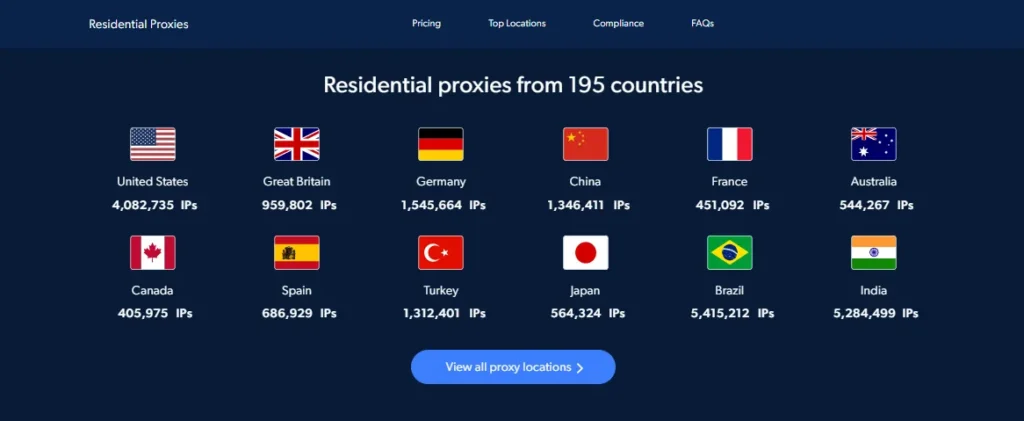
Bright Data positions itself around scale, describing its residential network as one of the largest available and pulling IPs from real user devices across nearly every country on the map.
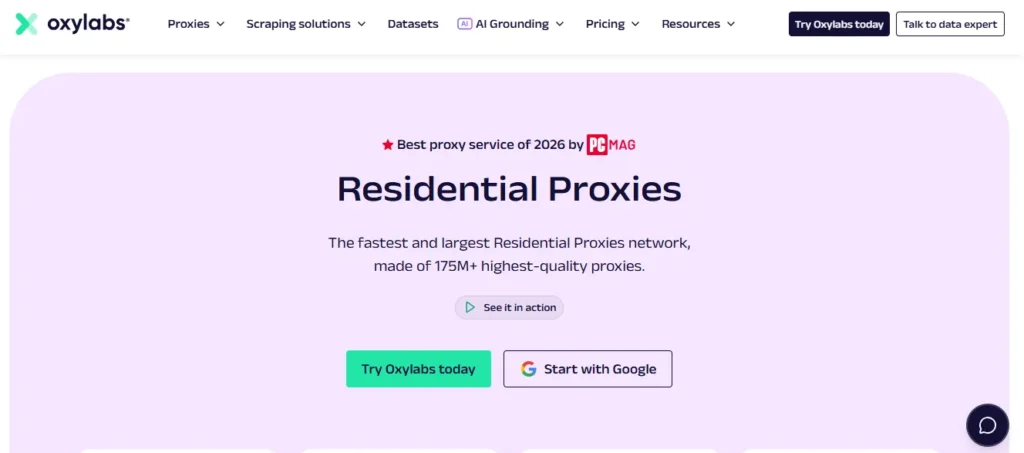
Oxylabs takes a quality-over-quantity stance, pairing its residential network with a separate mobile-device pool aimed at precise, hard-to-reach targeting.
Why the Bigger Number Is Not Always the Win
Pool size is a headline, not a guarantee. What actually moves your success rate is different:
The practical read: a wider footprint helps if your work sprays across many small or awkward geographies. For mainstream targets, pool size rarely decides the outcome on its own.
Proxy Arsenal: Residential, ISP, Datacenter, and Mobile Coverage
Both cover the core proxy categories, so neither forces you to compromise on type.
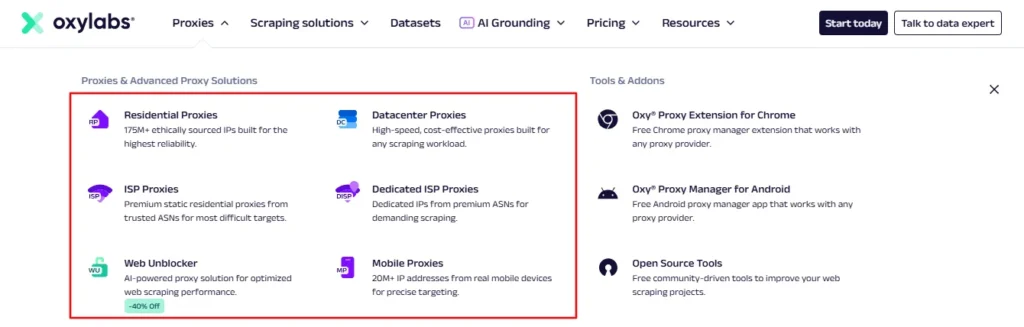
Oxylabs Proxy Lineup
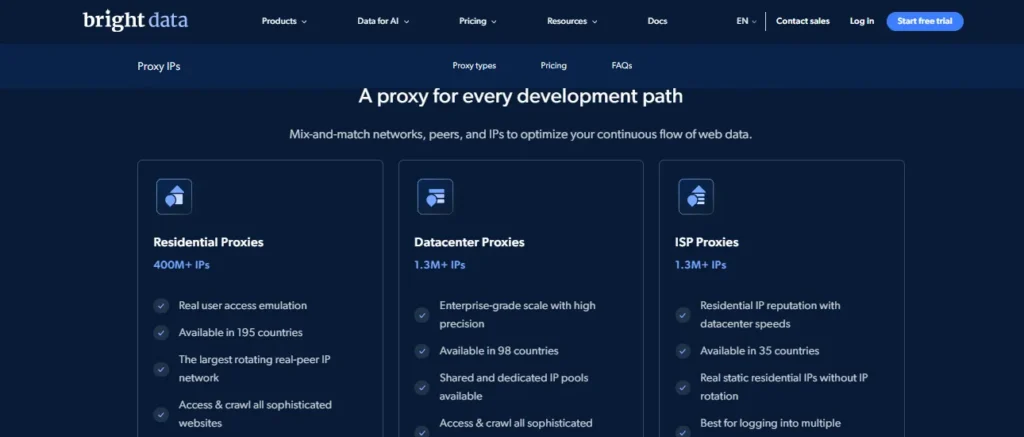
Bright Data Proxy Lineup
Where the Coverage Actually Differs
The category counts are close, so the meaningful gaps are at the edges. Oxylabs ships a dedicated mobile-proxy product, which is the clearer choice when 4G and 5G IPs are central to your task, such as mobile ad verification or app testing.
Bright Data leans into a deep static ISP pool, which favors long-session work like account management and logged-in data collection where a stable, residential-grade IP matters more than rotation.
Oxylabs vs Bright Data Pricing: Cost Per GB, Per IP, and Per Request
Here is where most readers make the call. The starting rates sit close together, but the billing models do not line up cleanly.
Starting Rates by Product
| Product | Oxylabs | Bright Data |
|---|---|---|
| Residential | from $2.5/GB | from $2.5/GB (50% off from $5) |
| Datacenter | from $0.7/IP | from $0.9/IP |
| ISP | from $1.2/IP | from $1.3/IP |
| Mobile | from $3.5/GB | Not separately listed |
| Scraper API | from $0.25/1K results | from $0.75/1K records (from $1) |
| Headless / Browser API | from $4.7/GB | from $5/GB |
| Web Unblocker / Unlocker API | from $3/GB (40% off from $5) | from $1/1K requests (free tier) |
| Datasets | Custom | from $250/100K records |
Performance Metrics: Success Rate, Speed, and Uptime
These are vendor-published figures, not independent PROXY DIME benchmarks. We flag that plainly so you weight them correctly.
The Published Claims
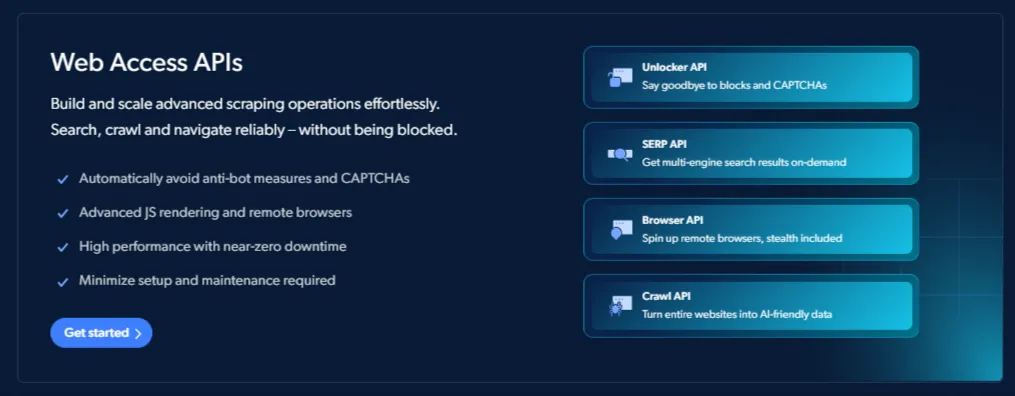
Bright Data advertises the higher headline reliability, citing a 99.95% success rate and 99.99% uptime with near-zero downtime on its Web Access APIs.
Oxylabs advertises 99%+ public data retrieval success, sub-second average response times, and 99.9% uptime, with especially fast response quoted on its datacenter product.
What Those Percentages Miss
On paper Bright Data edges ahead, but the distance is fractions of a percent, and that is precisely the zone where your own setup decides the winner.
A published rate is an average across a vendor's entire traffic mix. Your result depends on your specific targets, your concurrency, your retry logic, and how aggressively the sites you hit fight back.
PROXY DIME's take: treat these numbers as a floor to verify, not a promise to trust. A short trial against your actual URLs tells you more than any marketing percentage.
Beyond Raw Proxies: Scraper APIs and Web Data Stack
This is where the two philosophies separate the most.
Bright Data's Wide Product Range
Bright Data builds outward from proxies into a full data platform:
Oxylabs' Focused Scraping Layer
Oxylabs keeps a leaner but capable toolset:
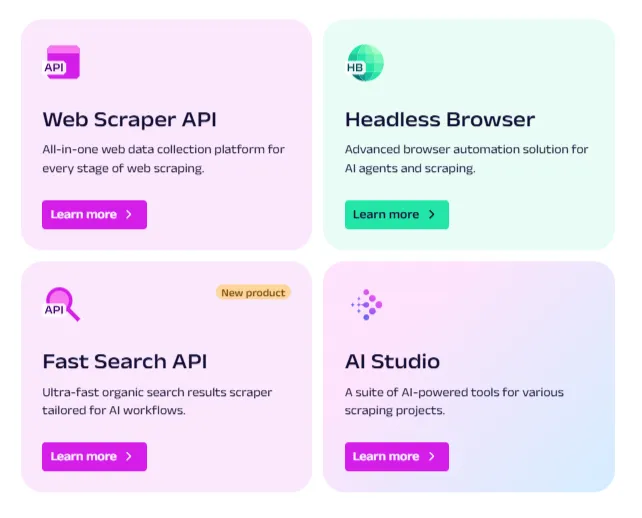
Both plug into modern AI workflows through integrations like ChatGPT, LangChain, n8n, and Zapier. Choose Bright Data if you want the widest ready-made dataset catalog and the most products under one login. Choose Oxylabs if a focused menu with strong AI tooling feels easier to reason about.
Setup and Dashboard: How Fast You Get Up and Running
Both give you a self-service dashboard, multi-language code samples, and developer-focused docs.
Developer Onboarding
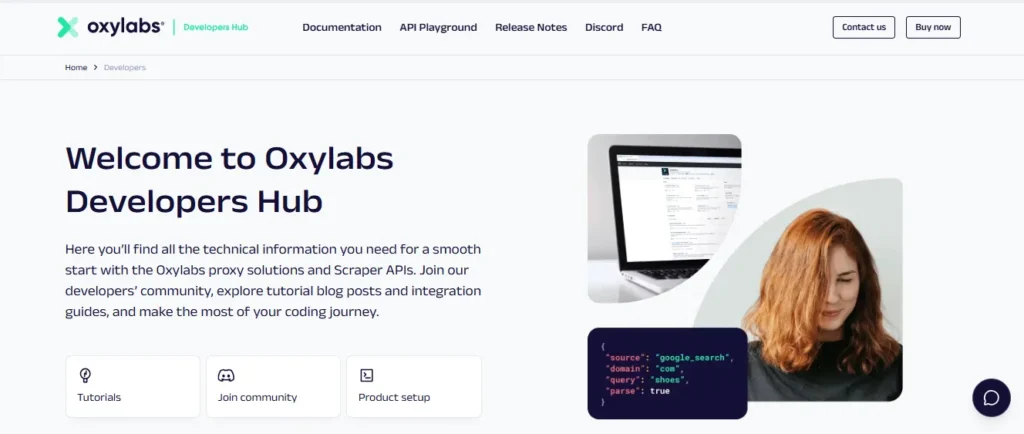
Oxylabs hands you ready snippets across Python, cURL, Node.js, PHP, Go, Java, and C#, so first authentication is quick regardless of stack.
Bright Data pairs its APIs with an integrated Proxy Manager and management APIs, plus broad compatibility with AI and ML data pipelines.
Day-to-Day Control
Oxylabs surfaces usage stats, spending limits, and IP controls in one product-management view, which helps teams keep a lid on cost.
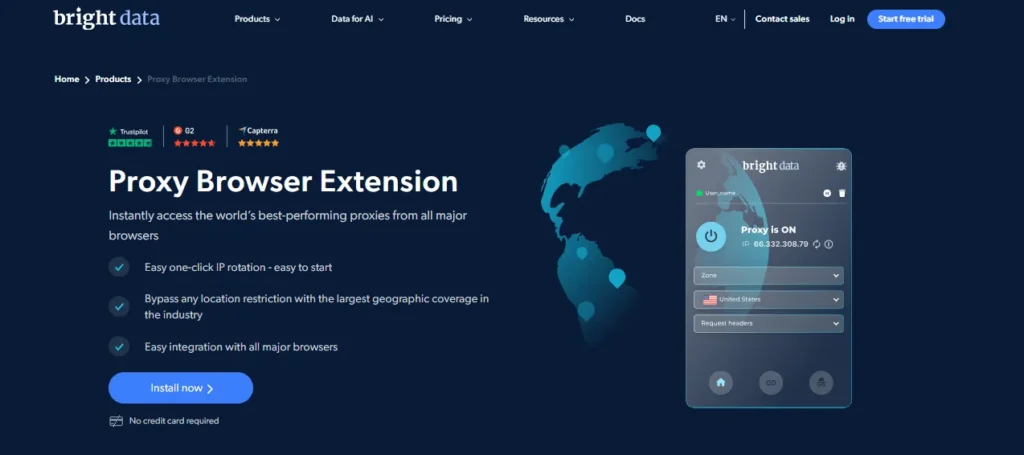
Bright Data adds browser extensions and network-status tooling on top of its manager. Its larger catalog can feel busier on day one, while Oxylabs' shorter menu is easier to navigate at first. Both reward reading the docs before your opening job.
Compliance and Ethical IP Sourcing: The Trust Layer
For regulated industries or sensitive collection, compliance is not a footnote. Both brands market themselves as leaders, and both name real credentials.
Oxylabs' Credentials
Bright Data's Credentials
This one lands close to even. The differentiator is emphasis: Oxylabs foregrounds certification and insurance, Bright Data foregrounds its standing ethics team and regulatory breadth.
If you need specific attestations, request current certificates from each vendor directly rather than trusting marketing copy.
Support Response Times and Account Handling
Support quality quietly decides renewals, especially at scale.
Bright Data publishes a concrete promise: 24/7 availability with an under-10-minute average response time and a top support rating on G2.
Oxylabs leans on dedicated account management, expert-led learning resources, and an active Discord community rather than a stated response-time figure.
Both open a direct line to a data expert for larger deployments. If a hard SLA number matters to your team, Bright Data states one; if you value a named account contact and community depth, Oxylabs fits.
Free Trials, Free Tiers, and Refund Policies
If you want to test before paying, both offer an on-ramp, but the shape differs.
How Each Free Option Works
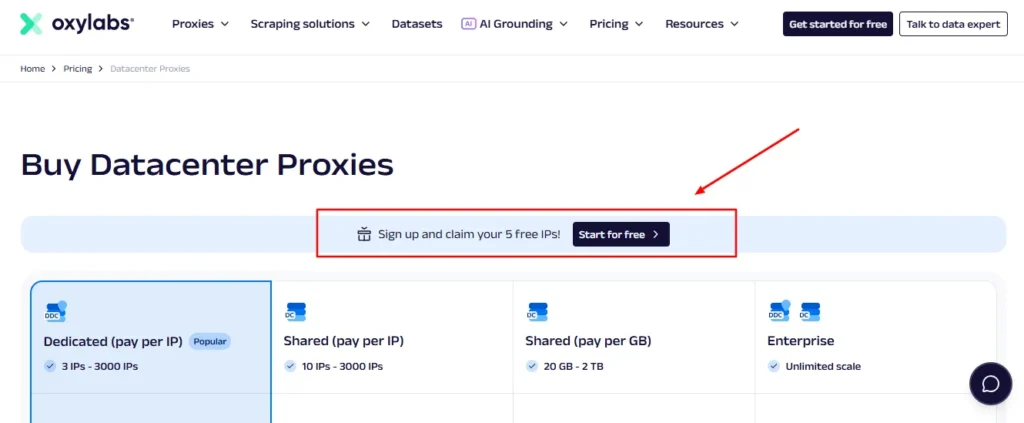
Oxylabs offers free trials on select products, including its Web Scraper API and Web Unblocker, plus 5 free datacenter IPs to start experimenting immediately.
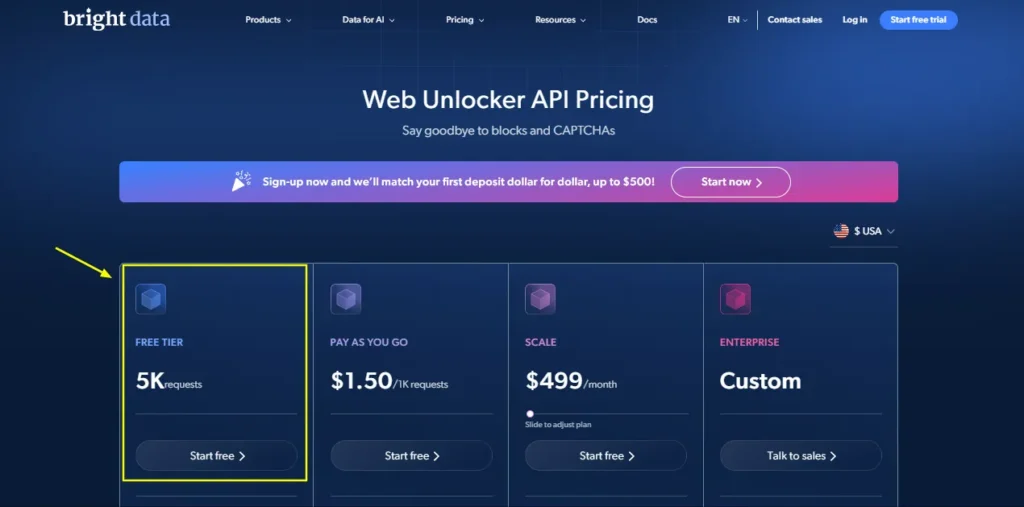
Bright Data leans on free tiers spread across several APIs, its Unlocker API, SERP API, Scraper APIs, and Scraper Studio, and lets you begin without a credit card.
What to Confirm First
Trial mechanics are where surprises hide, so check these before you rely on them:
Choosing the Right Provider for Your Use Case
Neither is universally better. The right pick tracks what you are building.
When Bright Data Makes More Sense
When Oxylabs Is the Stronger Fit
Both handle web scraping, market research, ad verification, and AI training data without breaking a sweat. Your targets, billing model, and appetite for hand-holding should outweigh any single headline stat.
Oxylabs vs Bright Data: Frequently Asked Questions
Is Oxylabs better than Bright Data?
There is no flat winner. Think of Bright Data as the broad data platform and Oxylabs as the focused proxy specialist. Match the tool to your workload rather than chasing a single “best.”
Which one is cheaper to start with?
It depends on the product you actually need. Oxylabs opens lower on datacenter and ISP proxies, while residential entry rates land level once promotions apply. The cheaper choice is whichever prices its lowest on the specific proxy type your project uses.
Do both offer a way to test for free?
Yes, but differently. Oxylabs gives free trials on chosen products plus a handful of free datacenter IPs. Bright Data spreads free tiers across several APIs and skips the credit card at signup. Pick whichever free path covers your target product.
Which handles hard-to-reach targets better?
Both are built for it. Bright Data leans on sheer network breadth, while Oxylabs pairs its residential pool with mobile IPs and an AI-powered unblocker. For stubborn sites, the deciding factor is usually your rotation and retry setup, not the brand.
Are the performance claims reliable?
They are useful as a starting reference, not a guarantee. Published success and uptime figures reflect each vendor's whole traffic mix, so your real numbers hinge on your own targets and configuration. Verify with a trial.
Which is stronger on compliance?
Both hold real credentials and market ethical sourcing heavily. Oxylabs foregrounds ISO 27001 certification and insurance; Bright Data foregrounds a dedicated ethics team and wide regulatory adherence. For strict needs, request current certificates from each.
Which fits AI and large-scale data collection?
Both ship AI-ready tools and integrations. Bright Data offers the deeper dataset catalog and more API products for hands-off delivery, while Oxylabs offers AI Studio and custom datasets for a leaner build. Scale needs point slightly toward Bright Data's breadth.
PROXY DIME's Final Take
Oxylabs and Bright Data are both premium, dependable choices, and the gap between them is narrow. Bright Data wins on network size, product breadth, and published support speed. Oxylabs wins on focused simplicity, a dedicated mobile product, and slightly lower entry pricing.
Neither will let a serious project down. The smartest move is to test both on your real targets before you scale.
Start with each provider's free trial or free tier, run the same job on both, and let your own success rates and costs make the final call.