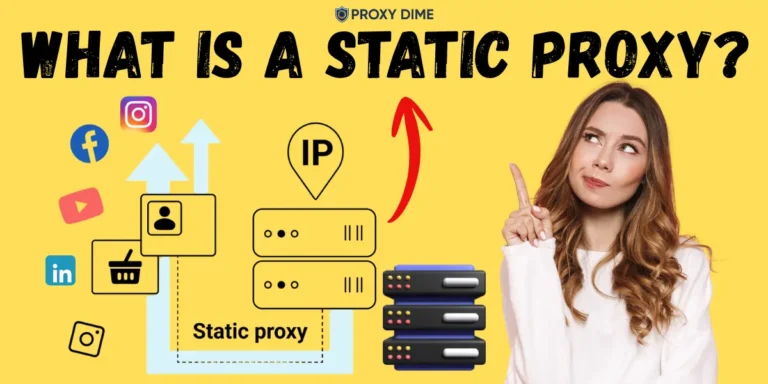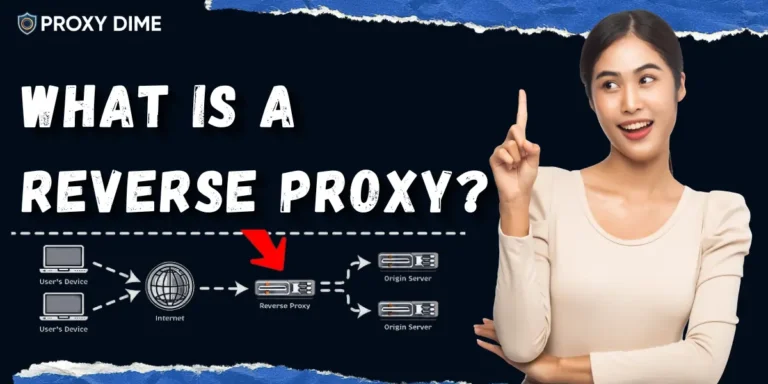
A proxy server is a dedicated intermediary system — hardware or software — that sits between your device and the wider internet. When you send any web request, it travels to the proxy first. The proxy forwards it using its own IP address, receives the response, and delivers it back to you.
From the destination website's perspective, your request originated from the proxy — not from your device.
The word ‘proxy' literally means ‘authorized to act on behalf of another.' That is precisely the role this server plays in every internet transaction it handles.
Why the Proxy Server Market Is Booming
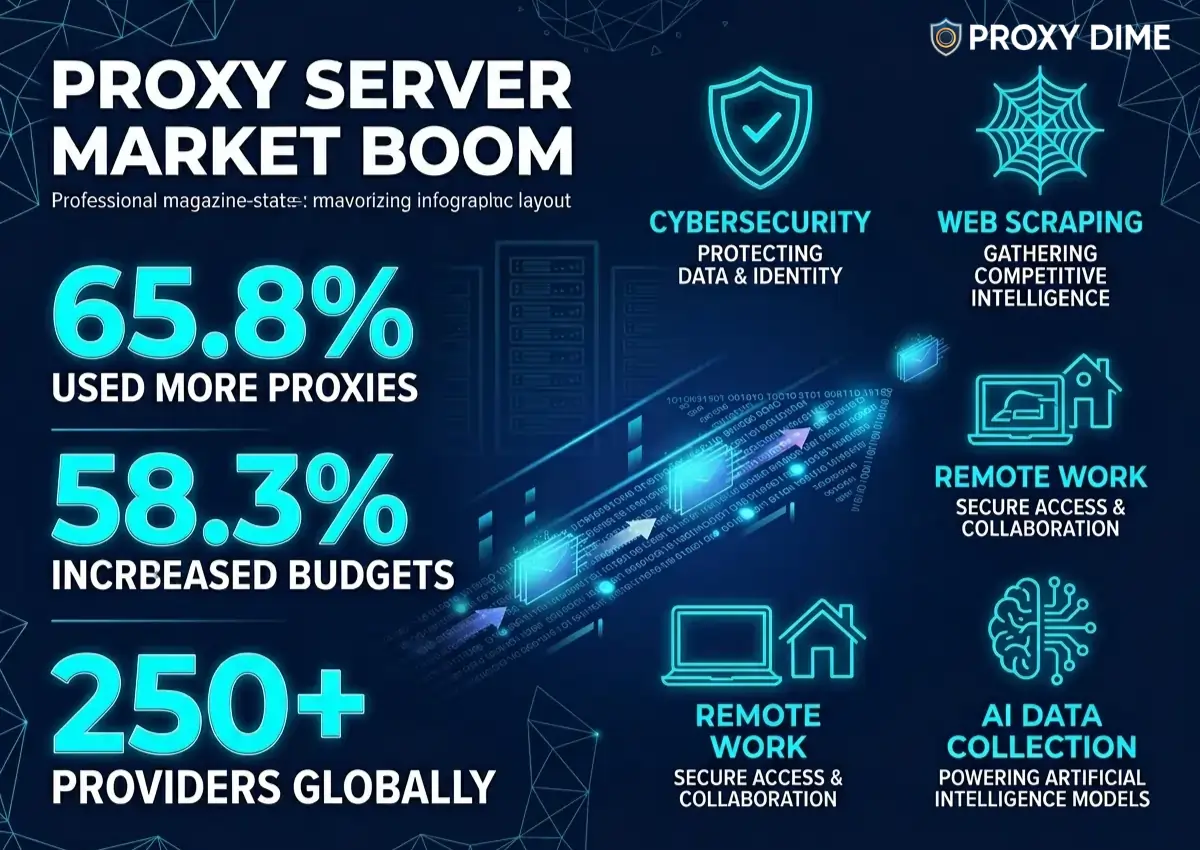
The global proxy server market was valued at USD 3.4 billion in 2023 and is projected to reach USD 7.2 billion by 2031 at a CAGR of 7.03%. A separate 2025 analysis places the market at USD 5 billion with a projected 15% CAGR through 2033. Driving forces include escalating cybersecurity threats, enterprise web scraping, remote work adoption, and AI data-collection demands.
According to Apify's State of Web Scraping 2026 report, 65.8% of scraping professionals used more proxies in 2025 than the year before, and 58.3% increased their proxy budgets. With over 250 proxy providers now active globally, the market is more competitive — and technically advanced — than ever.
How a Proxy Server Works: The Request Cycle
The six-step lifecycle of every proxied request:
Throughout this cycle, your real IP address never reaches the destination server. Only the proxy's IP is logged.
Core Functions
Who Uses Proxy Servers?
Proxy servers serve a wide and growing audience. E-commerce companies use them for competitive price intelligence. Cybersecurity teams use them for penetration testing and threat research.
Digital marketers rely on them for ad verification, SEO rank tracking, and affiliate monitoring. Per Scrapingdog's 2026 data, 39.1% of scraping professionals use proxy providers as their primary infrastructure.
In the AI era, proxies have become critical for real-time web data collection feeding LLMs, RAG pipelines, and autonomous agents — AI startups saw a 30% increase in VC funding in 2024, directly driving proxy demand.
Proxy vs VPN: The Core Distinction
A proxy operates at the application layer, rerouting only specific app/browser traffic with zero encryption. A VPN creates a full encrypted tunnel at OS level covering all device traffic.
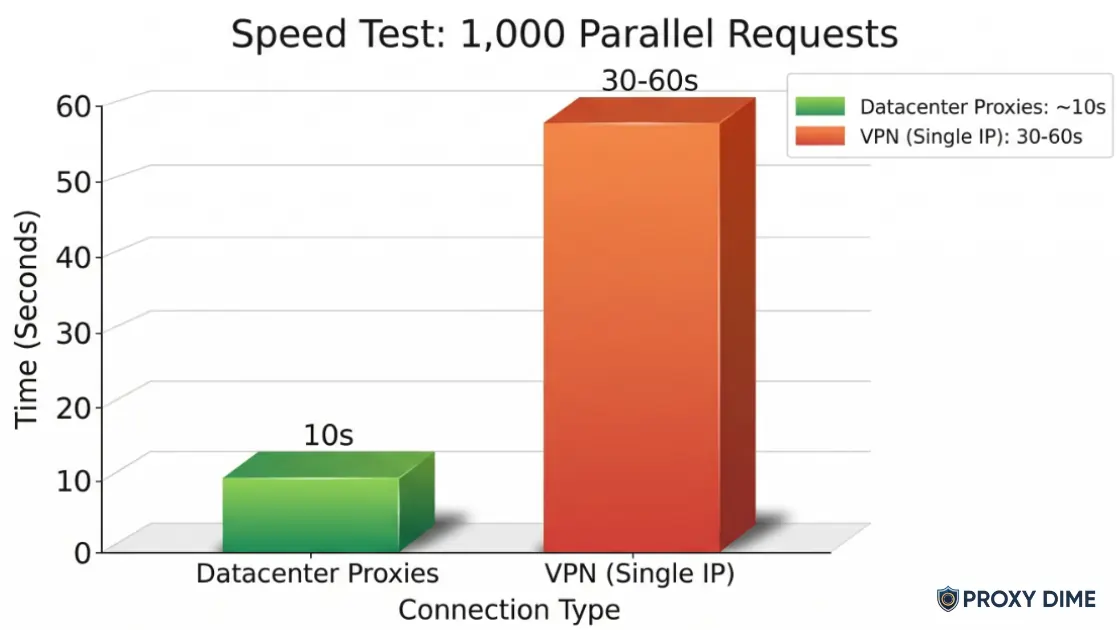
Proxy speed advantage: running 1,000 parallel requests through datacenter proxies takes ~10 seconds; the same through a VPN would take 30–60 seconds while limited to a single IP. Premium VPNs reduce speeds by under 20%.