Why Proxy Type Choice Determines Success or Failure
With over 250 proxy providers active in 2025 and 65.8% of scraping professionals increasing proxy usage year-over-year, proxy selection has become a technical discipline.
The wrong proxy type on a Cloudflare-protected target delivers a 20–40% success rate. The right type achieves 95–99%. Understanding the architecture behind each type is non-negotiable for anyone running serious data operations.
1. Residential Proxies
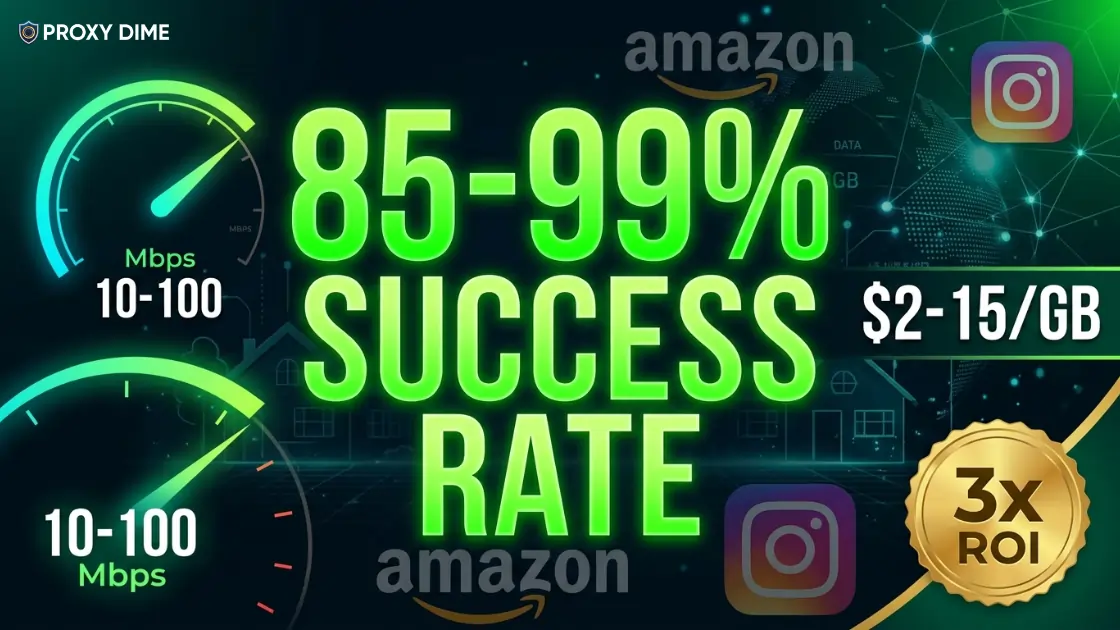
Residential proxies use IP addresses assigned by consumer ISPs to real household devices. Anti-bot systems see them as legitimate users and cannot wholesale-block them without denying service to millions of real customers.
Companies achieve 3x better ROI with residential proxies on high-protection targets versus datacenter, despite higher per-GB cost.
2. Datacenter Proxies
Datacenter proxies originate from commercial cloud infrastructure (AWS, Hetzner, OVH). Their ASNs are publicly documented and extensively blacklisted. On protected sites, success rates drop to 20–40%.
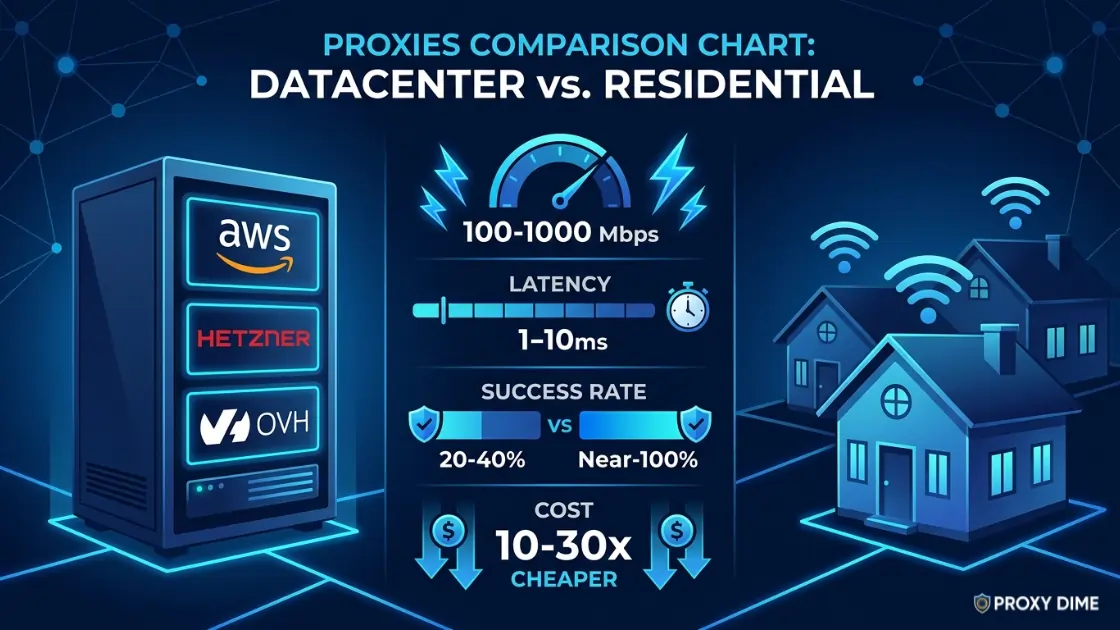
On unprotected targets, they deliver near-100% success at 100–1,000 Mbps speeds and 1–10ms latency — 10–30x cheaper per IP than residential.
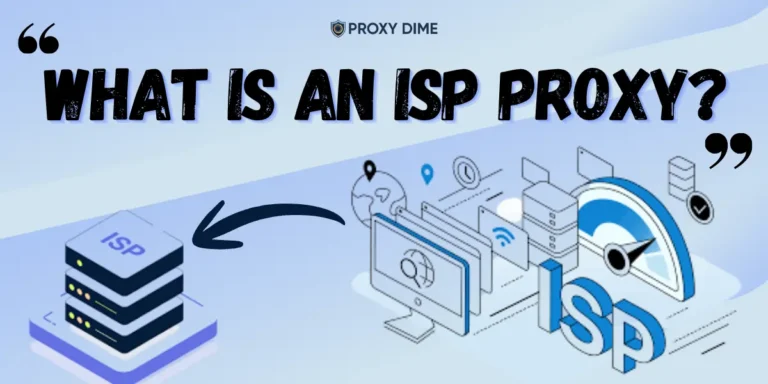
3. ISP Proxies (Static Residential)
ISP proxies register under consumer ISP ASNs (Comcast ASN 7922, AT&T ASN 7018) but run on datacenter hardware — the optimal hybrid.
4. Rotating Proxies
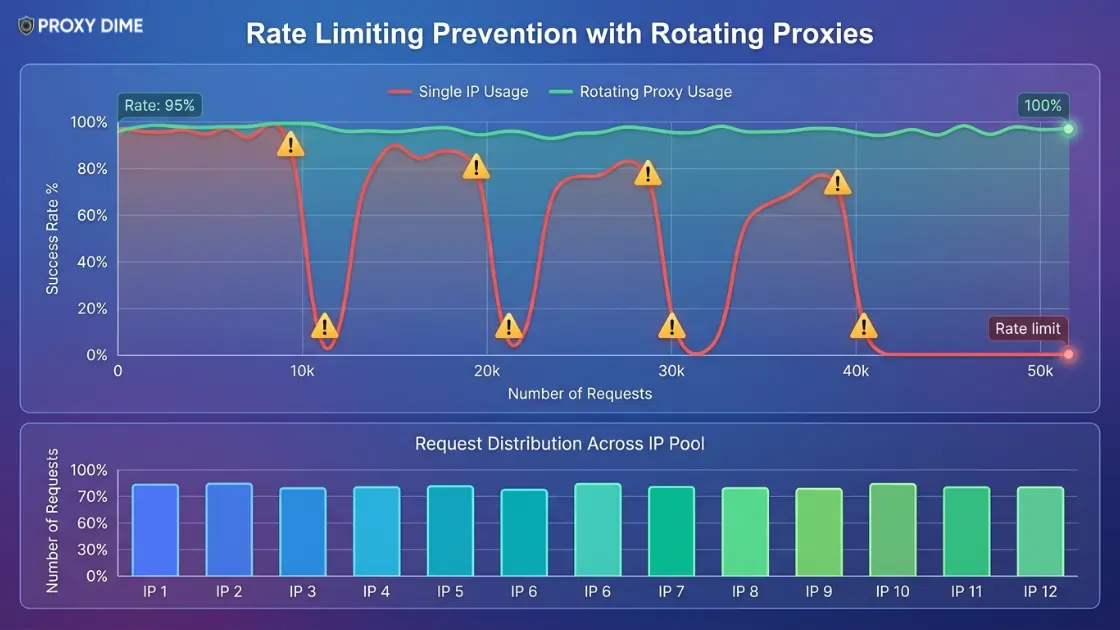
Rotating proxies auto-cycle through an IP pool per request or time interval. They prevent IP-level rate limiting by distributing traffic.
5. Backconnect Proxies
Backconnect proxies route all traffic through one gateway endpoint while rotating backend IPs automatically — millions of IPs (30–150M across leading providers).
You always connect to the same host:port; IP rotation is server-side and invisible to your code.
6. Static Proxies
A static proxy assigns a fixed, dedicated IP that never changes. Essential for account management, payment processing, and any task requiring consistent IP identity.
7. Transparent Proxies
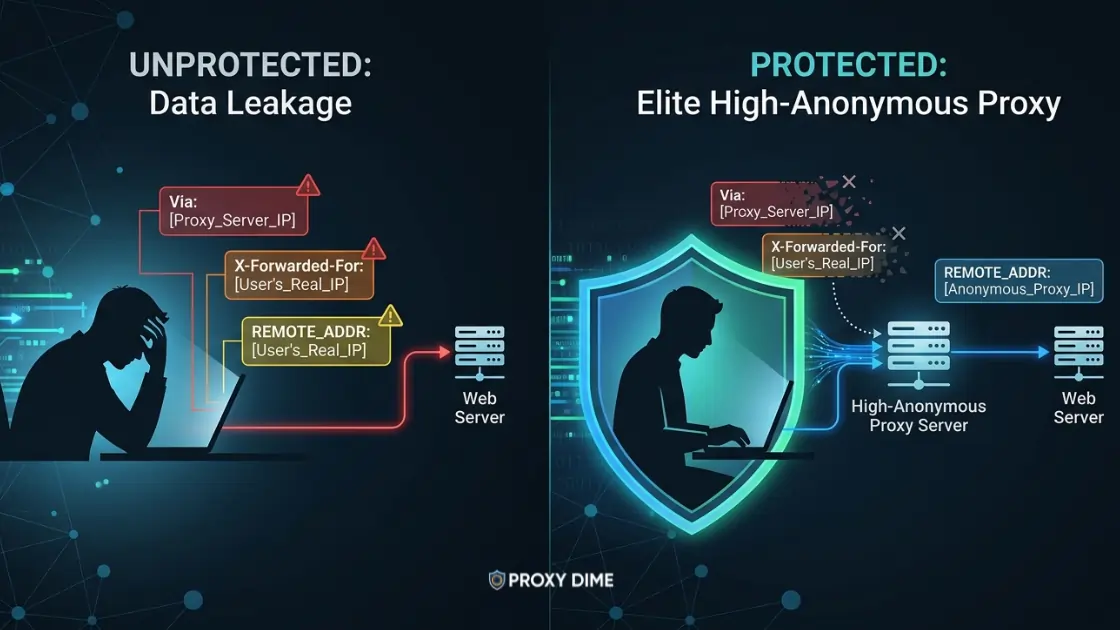
Reveal both your real IP (via X-Forwarded-For) and proxy use (via Via header). Deployed at the network level for content filtering, caching, and monitoring in corporate/school networks. Offer zero privacy.
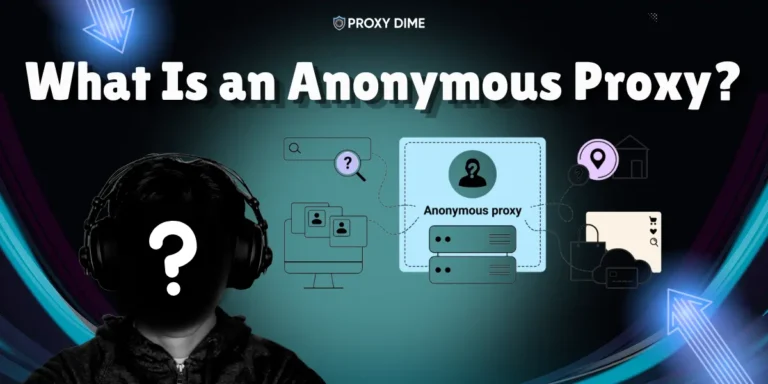
8. Anonymous Proxies
Hide your real IP but signal proxy usage through the Via header. Level 2 anonymity. Suitable for basic privacy and geo-bypass on low-security targets.
9. Elite (High-Anonymous) Proxies
Strip all identifying headers — REMOTE_ADDR shows only proxy IP, Via absent, X-Forwarded-For absent. Website sees a direct user connection. Level 1 anonymity. Required for web scraping, account automation, and advanced anti-bot bypass.
10. HTTP vs SOCKS5 Proxies
HTTP proxies (Layer 7) handle only web traffic with caching capability. SOCKS5 proxies (Layer 5) handle any TCP/UDP protocol without header injection — higher inherent anonymity and protocol flexibility.
Proxy Type Performance Matrix
| Type | Speed | Trust Level | Success Rate (Protected) | Price Model |
|---|---|---|---|---|
| Residential | 10–100 Mbps | HigTypes of Proxy Servershest | 85–99% | $2–$15/GB |
| Datacenter | 100–1,000 Mbps | Low | 20–40% | $0.10–$0.50/IP |
| ISP/Static Residential | 50–100 Mbps | High | 94–98% | $2–$5/IP/month |
| Rotating Residential | Variable | High | 90–97% | $3–$12/GB |
| Backconnect | Variable | High | 90–97% | $3–$10/GB |
| Transparent | Fast | N/A (no privacy) | N/A | Network-level |
| SOCKS5 | Fast | Fast Varies by IP type | Depends on IP source | Varies |