Why Protocol Selection Is as Critical as IP Type
Most proxy buyers obsess over IP type (residential vs datacenter) and forget that the underlying protocol changes how your proxy behaves at the network level.
An HTTP vs SOCKS5 proxy can share the same IP address and deliver dramatically different performance, anonymity, and compatibility depending on your use case. Getting this choice wrong means failed connections, protocol errors, or unnecessary overhead.
HTTP Proxy: OSI Layer 7 Operation
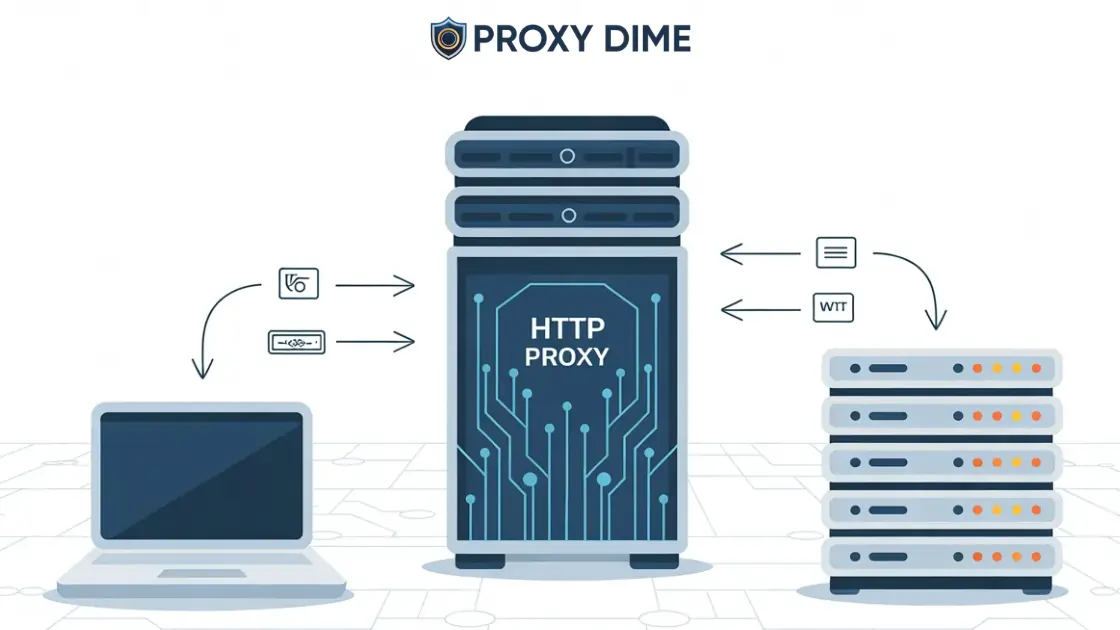
An HTTP proxy operates at OSI Layer 7 — the Application Layer. It was designed specifically for HTTP and HTTPS traffic. Because it understands the HTTP protocol, it can:
Performance impact of HTTPS over proxy: encryption adds approximately 6% lower RPS (requests per second) and 15–26% higher TTFB (time to first byte) compared to plain HTTP. For most operations this is acceptable. For extremely high-frequency scraping (thousands of requests/second), raw HTTP proxies deliver marginally higher throughput.
SOCKS5 Proxy: OSI Layer 5 Operation
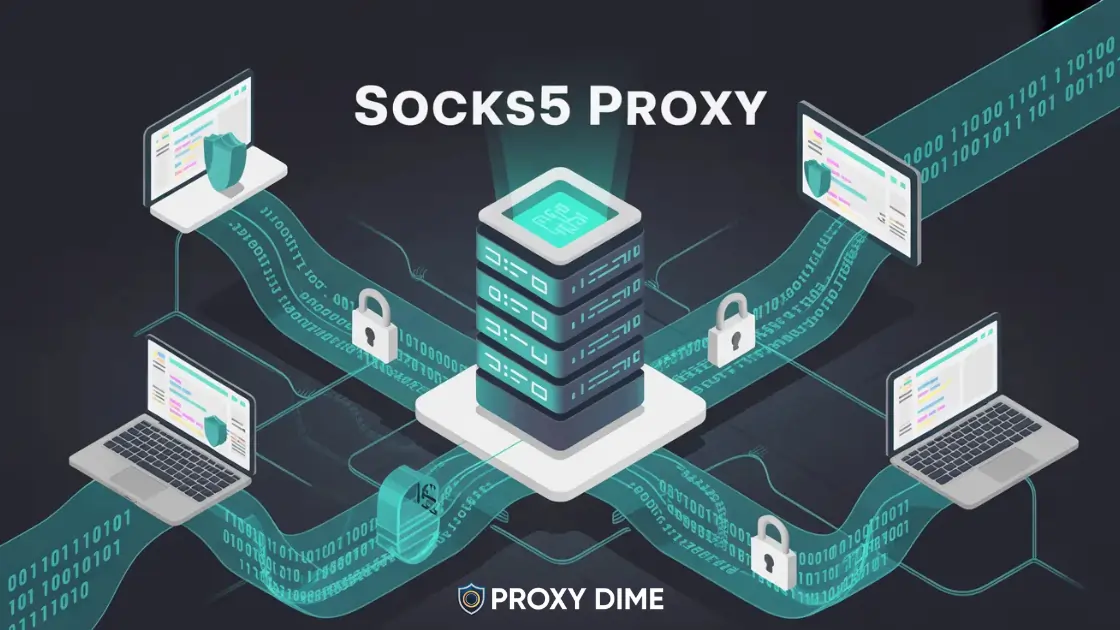
SOCKS5 (Socket Secure version 5) operates at OSI Layer 5 — the Session Layer. It is completely protocol-agnostic: it does not interpret, modify, or cache the data flowing through it. SOCKS5 establishes a session and relays raw packets between client and server. Capabilities unique to SOCKS5:
HTTP vs SOCKS5 Proxy – Technical Comparison
| Feature | HTTP Proxy | SOCKS5 Proxy |
|---|---|---|
| OSI Layer | Layer 7 (Application) | Layer 5 (Session) |
| Protocol Support | HTTP/HTTPS only | Any TCP/UDP protocol |
| Header Inspection | Yes — reads & modifies headers | No — raw packet relay |
| Caching | Yes — speeds repeat requests | No caching capability |
| UDP Support | No | Yes (SOCKS5 only) |
| Authentication | Basic/IP whitelist | Username:password (SOCKS5) |
| Anonymity Level | Moderate (Via header) | Higher (no injection) |
| TTFB Impact (HTTPS) | 15–26% higher vs HTTP | Lower latency for raw traffic |
| Best Use Case | Web scraping, SEO, browsing | Gaming, torrents, streaming, all protocols |
SOCKS4 vs SOCKS5: What Changed
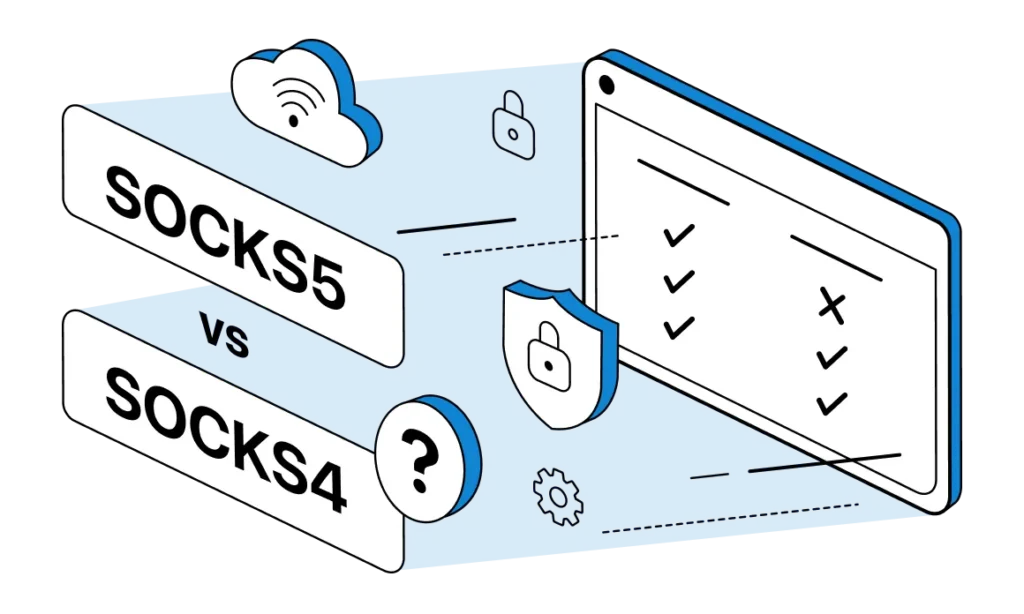
SOCKS4 supported only TCP connections with no authentication. SOCKS5 added UDP support (critical for DNS, gaming, and streaming), optional username/password authentication, and IPv6 compatibility. For any modern proxy deployment, SOCKS5 is the correct choice over SOCKS4.
Which Protocol for Which Task?